Selecting the appropriate forklift type is essential to improve productivity in projects. They handle substantial loads often exceeding 10 tonnes and are suitable for moving materials such as steel beams and concrete blocks. Their reinforced operational benefits. Coverage includes rough terrain, electric and heavy‑duty models, as well as compact machines that enhance manoeuvrability. The guidance provided is intended to help construction managers choose equipment aligned with their operational requirements, and also addresses useful attachments and key safety features.
What Are the Key Forklift Types Used in Construction Sites?
Construction sites require specific forklift types to complete defined tasks efficiently. The key forklift types include:
- Rough Terrain Forklifts: Designed for uneven surfaces, these forklifts provide stability and traction on challenging terrains.
- Telehandlers: Versatile machines that combine the features of a forklift and a crane, ideal for lifting materials to high elevations.
- Electric Forklifts: Environmentally friendly options that offer lower operating costs and reduced emissions, suitable for indoor use.
- Diesel Forklifts: Powerful machines that excel in outdoor applications, providing high lifting capacities and durability.
Active Forklift provides a comprehensive range of these models for construction and industrial applications, enabling businesses to source equipment that matches their requirements.
How Do Rough Terrain Forklifts Enhance Construction Site Operations?
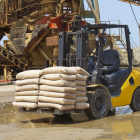
Rough terrain forklifts are engineered for demanding outdoor conditions. Their robust chassis, larger tyres and increased ground clearance provide stability and traction on uneven ground. This design allows operators to transport materials across varied terrain without compromising safety or efficiency. Deploying these specialised machines reduces downtime caused by equipment limitations and streamlines site workflow.
What Are the Advantages of Electric Forklifts for Building Sites?
Electric forklifts offer clear advantages for building sites, particularly for indoor operations. They produce zero local emissions, which improves air quality on site and reduces the organisation’s carbon footprint. Electric models typically incur lower operating costs due to reduced maintenance and fewer moving parts. Many units also include advanced safety features, such as automatic braking and reduced noise levels, which contribute to a safer work environment.
How Do Heavy Duty Forklifts Meet Construction Industry Demands?
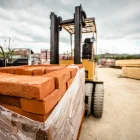
Heavy‑duty forklifts are designed to meet the high demands of construction projects. They handle substantial loads often exceeding 10 tonnes and are suitable for moving materials such as steel beams and concrete blocks. Their reinforced construction delivers the power and stability required for demanding tasks, including operation on rough terrain. Advanced lifting mechanisms and improved fuel efficiency further enhance their operational effectiveness on large‑scale projects.
What Lifting Capacities Define Heavy Duty Forklifts?
Heavy‑duty forklifts are defined by high lifting capacities, typically ranging from 8 to 16 tonnes. Selecting the correct capacity depends on project requirements and the materials in use. Sites handling heavy steel components will require higher‑capacity units, while lighter materials may be managed with lower‑capacity models. Matching lifting capacity to the application is essential to maintain safety and efficiency.
Which Fuel Types Power Heavy Duty Forklifts Efficiently?
Heavy‑duty forklifts operate on several fuel types, each with specific advantages. The most common fuel types include:
- Diesel Forklifts: Known for their power and efficiency, diesel forklifts are ideal for outdoor applications where heavy lifting is required.
- LPG Forklifts: These forklifts provide a balance between power and emissions, making them suitable for both indoor and outdoor use.
- Electric Forklifts: As mentioned earlier, electric models are environmentally friendly and cost-effective, particularly for indoor operations.
Choosing the appropriate fuel type is critical for optimising performance and ensuring the forklift meets the site’s operational demands.
What Are the Benefits and Applications of Compact Forklifts in Construction?
Compact forklifts offer specific benefits for construction environments with limited space. Their reduced footprint improves manoeuvrability, allowing operators to work in narrow aisles and confined areas. This characteristic is valuable on urban sites and in indoor storage areas. Compact units are often more cost‑effective than larger machines and provide access to hard‑to‑reach locations for material handling and site cleanup tasks.
How Do Compact Forklifts Improve Manoeuvrability on Construction Sites?
The compact design of these forklifts provides a smaller turning radius and tighter control in congested areas. This agility supports efficient material transport and reduces the risk of incidents associated with larger equipment. Operators can reposition compact forklifts quickly to adapt to changing site conditions, which helps maintain productivity and meet project deadlines.
Which Construction Tasks Are Best Suited for Compact Forklift Models?
Compact forklifts are well-suited to a range of construction tasks, including:
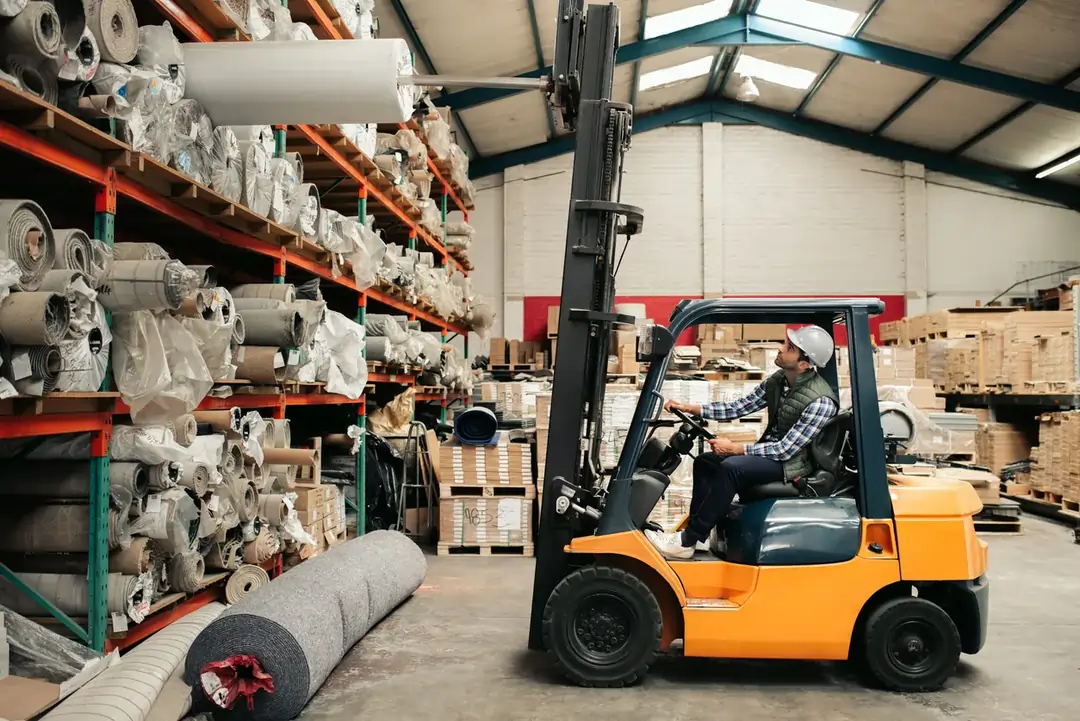
- Indoor Material Handling: Their small size makes them ideal for transporting materials in warehouses and tight indoor spaces.
- Light-Duty Tasks: Compact forklifts excel in handling lighter loads, making them perfect for tasks such as moving drywall or insulation.
- Site Cleanup: Their manoeuvrability allows for efficient debris removal and site organisation, contributing to a safer working environment.
Utilising compact forklifts for these applications helps construction teams improve efficiency and streamline operations.
How Do Forklift Attachments Enhance Construction Equipment Versatility?
Forklift attachments extend the operational capabilities of standard equipment. By fitting appropriate attachments, operators can perform tasks beyond basic lifting and transport. Common attachments include:
- Fork Positioners: Allow for quick adjustments of fork spacing to accommodate different load sizes.
- Bale Clamps: Ideal for handling bales of materials such as hay or insulation.
- Side Shifters: Enable lateral movement of the forks, improving precision when placing loads.
These attachments increase functionality and contribute to improved safety and operational efficiency on construction sites.
What Are Common Attachments for Construction Forklifts?
Several attachments are commonly used with construction forklifts to enhance their functionality. These include:
- Fork Positioners: Allow for easy adjustment of fork width, accommodating various load sizes.
- Bale Clamps: Designed for handling bales, these clamps provide secure gripping for efficient transport.
- Side Shifters: Enable lateral movement of the forks, allowing for precise placement of loads.
Utilising these attachments enables construction teams to maximise the utility of their forklifts and adapt machines to a wider range of tasks and materials.
How Do Attachments Impact Forklift Performance and Safety?
Appropriate attachments can materially affect both performance and safety. The correct choice improves handling of diverse materials and boosts operational efficiency. For example, a bale clamp secures irregular loads that would otherwise be hazardous to transport. Regular maintenance and operator training on attachment use are essential to realise these benefits and ensure safe operation.
What Are Essential Safety Features and Maintenance Practices for Construction Forklifts?
Safety is a primary concern when operating forklifts on construction sites. Essential safety features include:
- Stability Systems: These systems help prevent tipping by monitoring load weight and distribution.
- Automatic Braking: Ensures that forklifts stop quickly in emergencies, reducing the risk of accidents.
- Operator Safety Training: Comprehensive training programmes are crucial for ensuring that operators understand safe operating procedures.
Regular maintenance, including daily inspections and scheduled servicing, is vital to keep forklifts in a safe, reliable condition. By prioritising safety features and maintenance, construction organisations protect staff and maintain operational efficiency.
Which Safety Systems Are Critical for Forklifts on Construction Sites?
Several safety systems are critical for ensuring the safe operation of forklifts on construction sites. These include:
- Daily Pre-Start Checks: Operators should conduct thorough inspections before each shift to identify any potential issues.
- Traffic Management Plans: Establishing clear traffic routes and protocols helps prevent collisions and ensures safe movement of equipment and personnel.
- Load Monitoring Systems: These systems provide real-time feedback on load weight and distribution, helping to prevent tipping incidents.
Implementing these systems is essential to maintain a safe working environment and to reduce the risk of accidents on site.
What Are Best Practices for Forklift Maintenance in Construction Environments?
Maintaining forklifts in construction settings requires adherence to established best practices to ensure safety and uptime. Key practices include:
- Regular Maintenance Schedule: Establishing a routine maintenance schedule helps identify and address potential issues before they escalate.
- Daily Inspections: Operators should perform daily checks to ensure that all safety features are functioning correctly and that the forklift is in good working condition.
- Training for Operators: Providing comprehensive training on maintenance procedures and safety protocols is crucial for ensuring that operators can effectively manage equipment upkeep.
Following these practices extends equipment life and enhances site safety, supporting sustained operational performance. For more information on forklift types and services, Active Forklift provides a range of options to meet your construction needs.
To explore a broad selection of forklift types suitable for construction and industrial sectors, visit Active Forklift to find the right equipment for your specific needs.
Review the range of forklift solutions offered by Active Forklift to support safety and efficiency on site.
Conclusion
Choosing the correct forklift type is fundamental to maximising productivity and safety on construction projects. A clear understanding of the advantages offered by rough terrain, electric and compact models enables construction managers to make informed equipment decisions that improve operational efficiency. Reviewing the available forklift solutions will help you identify equipment tailored to your project requirements. Visit Active Forklift today to learn how their selection can support your construction operations.