Electric forklifts are increasingly adopted on construction projects for their operational efficiency, reduced environmental impact and robust capabilities. This guide evaluates the principal electric forklift types and specifications and compares them with combustion alternatives. It reviews models appropriate for construction, the operational implications of battery technologies, rental arrangements, maintenance protocols and essential safety features. By the end of this guide, readers will have a clear understanding of how electric forklifts can improve productivity and sustainability on construction sites.
What Are the Key Types and Specifications of Electric Forklifts for Construction?
Electric forklifts are available in several configurations, each engineered to address specific operational demands on construction sites. The principal types are counterbalanced electric forklifts, rough-terrain forklifts and telehandlers.
Counterbalanced models provide manoeuvrability for both indoor and outdoor tasks and perform well in confined areas. Rough-terrain units are engineered to handle uneven ground and challenging site conditions. Telehandlers deliver extended reach and elevated lifting capacity for placing materials at height.
Key specifications to assess include load capacity, lift height and battery life. These parameters directly determine a machine’s suitability for particular site tasks and duty cycles.
Which Electric Forklift Models Suit Construction Environments?
Several production models are well-suited to construction use. Notable examples include the following:
- Toyota 8FBCU25: This model offers a load capacity of 5,000 lbs and is known for its durability and efficiency in various conditions.
- Hyster J40XNT: With a compact design, this forklift is ideal for indoor use and can handle loads up to 4,000 lbs.
- Jungheinrich EFG 216: This model features advanced energy-efficiency technology and can lift loads to 4,000 lbs.
These models address a spectrum of operational requirements, enabling construction teams to select equipment aligned to task demands.
How Do Battery Types and Life Impact Construction Operations?
Battery chemistry significantly influences the performance and operating profile of electric forklifts. The two common chemistries are lithium‑ion and lead‑acid batteries.
Lithium‑ion batteries deliver longer service life and faster charge cycles, making them appropriate for high-utilisation operations; with proper maintenance, they can last up to five years. Lead‑acid batteries require more frequent maintenance and are generally less expensive upfront, with typical lifespans of three to five years.
The selected battery type affects operational efficiency and total cost of ownership. Lithium‑ion systems usually demand higher initial investment but often reduce lifecycle costs through extended operating life and lower maintenance requirements.
How Do Electric Forklifts Compare to Gas Models for Construction Use?
Electric forklifts and gas models differ primarily by power source: electric units are battery powered, while gas machines use internal combustion engines. This difference influences noise, emissions and operational characteristics.
Electric forklifts operate with lower noise levels and produce zero on-site emissions, which makes them suitable for indoor, urban and environmentally sensitive sites. They also tend to have lower running costs because of reduced fuel expenditure and simpler maintenance. Conversely, combustion models can deliver greater peak power and longer continuous running periods without recharging.
The appropriate choice depends on project-specific requirements, including the work environment, duty cycle and load demands.
What Are the Operational and Environmental Advantages of Electric Forklifts?
Electric forklifts deliver measurable operational and environmental benefits.
- Zero Emissions: They emit no exhaust on site, supporting a cleaner work environment and facilitating regulatory compliance.
- Lower Operating Costs: Electric units typically incur lower fuel and maintenance costs compared with combustion alternatives, yielding long‑term savings.
- Enhanced Safety Features: Many electric forklifts incorporate advanced safety systems, such as automatic braking and stability control, which reduce accident risk on site.
These characteristics make electric forklifts an attractive option for projects that prioritise sustainability and cost control.
Can Electric Forklifts Handle Rough Terrain on Construction Sites?
Capability on rough terrain varies by model. Rough‑terrain electric forklifts are designed with larger tyres, reinforced frames and enhanced suspension to maintain stability on uneven ground.
Standard warehouse‑spec electric forklifts are not optimised for extensive rough terrain. For sites with significant ground variability, specify a purpose‑built rough‑terrain model to preserve safety and operational efficiency.
What Rental Options and Cost Structures Are Available for Electric Forklifts in Construction?
Rental forklift arrangements provide operational flexibility and can reduce capital expenditure. Providers typically offer short‑term hires and long‑term leases, allowing teams to match equipment to project duration and budget.
How Do Flexible Rental Terms Support Project Durations?
Flexible rental terms permit adjustment of fleet size to align with project schedules. Customisable agreements enable companies to optimise equipment costs and ensure the right machines are available when required.
What Are the Typical Rental Costs and Leasing Options?
Rental rates vary by model, hire duration and location. Typical daily rental prices range from £100 to £400, depending on the forklift’s specification and capabilities. Leasing arrangements are available for organisations seeking longer‑term commitments.
What are the best practices for Electric Forklift Battery Maintenance and Servicing on Construction Sites?
Effective battery maintenance is essential to preserve performance and extend service life. Recommended practices include the following:
A thorough understanding of operating expenses, maintenance and lifecycle considerations materially improves fleet management and cost‑efficiency.
Forklift Maintenance, Cost, and Efficiency Optimisation
Inflated costs frequently result from limited insight into the drivers of forklift operating expenses, maintenance, life cycle and efficient utilisation. A comprehensive study of these factors would deliver long‑term benefits for any organisation operating a fleet. This project aims to assist Sasol Dyno Nobel by developing models and providing recommendations for: • Effective utilisation and operational efficiency of forklifts • Allocating forklifts to the respective departments within the Sasol Dyno site • Maintaining and servicing forklifts • Cost and life cycle
Study on efficient forklift utilisation, cost & life cycle analysis, 2013
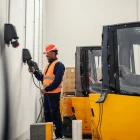
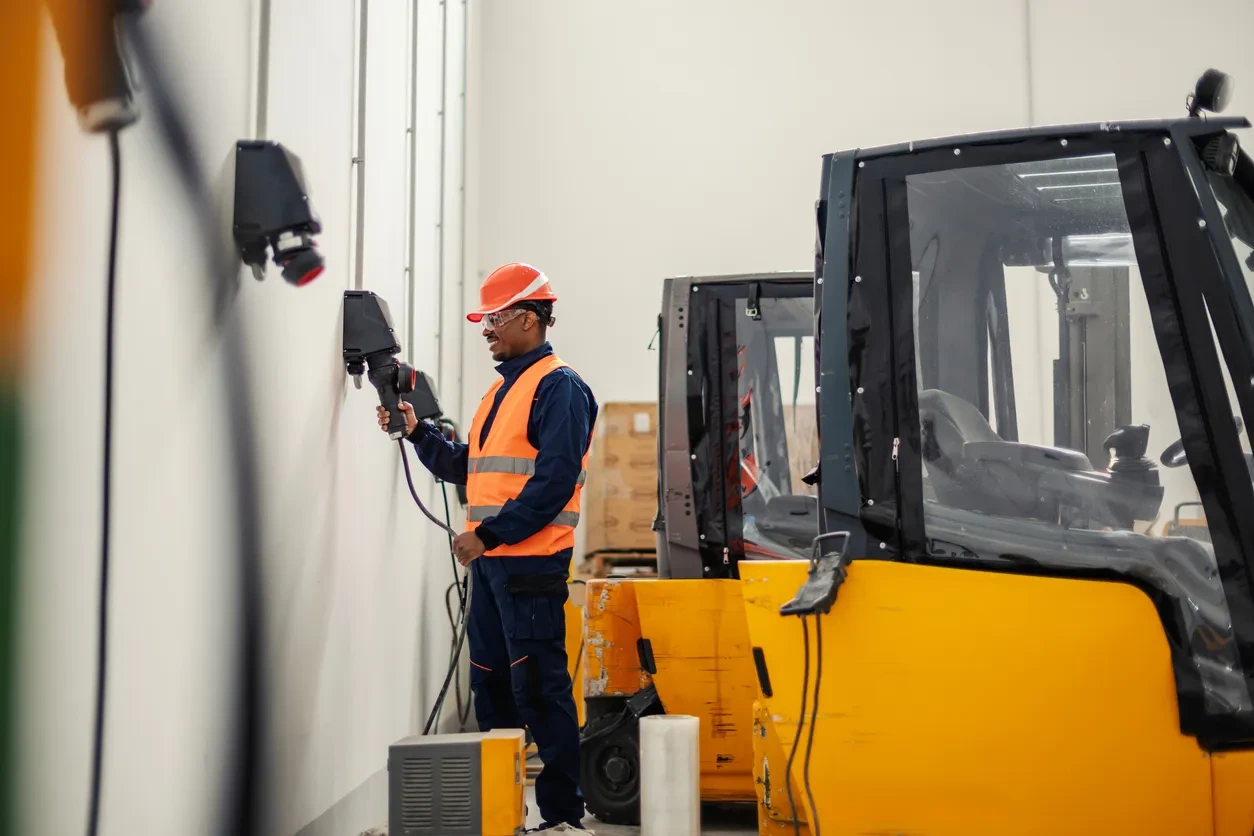
- Regular Charging: Ensure batteries are charged according to the manufacturer’s guidelines to prevent damage and extend their lifespan.
- Routine Inspections: Conduct regular inspections of battery terminals and connections to ensure optimal performance.
- Training Staff: Educate staff on proper battery care and maintenance procedures to minimise risks and enhance safety.
How to Maximise Battery Life and Charging Efficiency?
To maximise battery life and charging efficiency, apply the following measures:
- Use Smart Chargers: Invest in smart charging systems that optimise charging cycles and prevent overcharging.
- Monitor Usage: Track battery usage patterns to determine optimal recharge intervals and avoid deep discharges.
- Maintain Cleanliness: Keep battery terminals and connections clean to prevent corrosion and ensure efficient power transfer.
What Servicing Solutions Ensure Operational Reliability?
Planned servicing is critical to sustaining reliability. Consider the following solutions:
- Scheduled Maintenance: Implement a routine maintenance programme to identify and address issues before they escalate.
- Emergency Repair Services: Maintain access to emergency repair services to reduce downtime in the event of unexpected failures.
- Professional Inspections: Engage qualified technicians for comprehensive inspections and servicing to preserve optimal performance.
Which Safety Features and Operational Protocols Are Essential for Electric Forklifts in Construction?
Operational safety is essential when deploying electric forklifts on construction sites. Key safety features include:
- Stability Controls: These systems help prevent tipping and ensure safe operation on uneven surfaces.
- Automatic Braking Systems: These features enhance safety by automatically stopping the forklift in emergencies.
- Operator Training Programs: Comprehensive training programmes ensure that operators are well versed in safe operating procedures.
What Safety Certifications and Features Should Be Prioritised?
When selecting electric forklifts, prioritise models that comply with recognised safety standards. Look for features and certifications such as:
- Compliance with OSHA Standards: Ensure that the forklift meets Occupational Safety and Health Administration (OSHA) regulations.
- Operator Certification Requirements: Verify that operators are certified to operate electric forklifts safely.
- Safety Features: Choose models equipped with advanced safety features to enhance operational safety.
How Can Training Improve Safe Electric Forklift Operation?
Structured training is essential to safe operation. Comprehensive programmes can deliver the following outcomes:
- Enhance Operator Skills: Proper training equips operators with the skills needed to handle electric forklifts safely and efficiently.
- Reduce Accidents: Well-trained operators are less likely to make errors that could lead to accidents or injuries.
- Ensure Compliance: Training helps ensure that operators understand and comply with safety regulations and protocols.
Which Top Electric Forklift Brands Are Recommended for Construction Projects?
Several manufacturers are recognised for their performance and reliability in the electric forklift sector. Notable brands include:
- Toyota: Known for its durable and efficient electric forklifts, Toyota offers a range of models suitable for various construction needs.
- Hyster: Hyster forklifts are designed for heavy-duty applications, providing robust performance in challenging environments.
- Jungheinrich: This brand is renowned for its innovative technology and energy-efficient electric forklifts.
What Are the Key Attributes of Leading Brands Like Toyota, Hyster, and Jungheinrich?
Leading electric forklift manufacturers share attributes that increase their suitability for construction work:
- Reliability: These brands are known for producing reliable equipment that can withstand the rigours of construction environments.
- Innovative Features: Many models come equipped with advanced technology that improves efficiency and safety.
- Comprehensive Support: Leading brands often provide extensive support and service options, ensuring that customers receive the assistance they need.
How Do Brand-Specific Features Enhance Construction Efficiency?
Manufacturer‑specific features can materially improve construction efficiency by addressing operational requirements. For example, advanced battery management systems optimise energy use, and ergonomic designs enhance operator comfort and productivity. Selecting the appropriate brand and model enables teams to maximise operational efficiency and achieve better project outcomes.
For further technical details and model options, consider exploring Active Forklift for a comprehensive range of solutions.
Conclusion
Electric forklifts deliver clear advantages for construction projects, including zero on‑site emissions, reduced operating costs and advanced safety systems. Understanding model selection, battery technologies and maintenance best practices enables construction teams to make informed procurement decisions that optimise efficiency and sustainability. To review a wide selection of electric forklifts tailored to your operational requirements, visit our website. Adopting electric forklifts can improve productivity while reducing environmental impact.