Construction projects rely on the right material-handling equipment to keep schedules, control costs, and maintain safety on site. This guide explains forklift hire for construction sites so project managers and site supervisors can choose the right machine, estimate likely hire costs, and put in place safe, compliant operations. You will learn why many builders prefer rental over purchase, how to match machine type, rough terrain forklifts, telehandlers, electric and diesel forklifts, to common site scenarios, which attachments and specifications matter, and how to budget for daily, weekly and monthly hire rates. The article also outlines operator training and on-site safety practices relevant to construction sites and provides EAV-style comparison tables and checklists to simplify decisions. Finally, the guide summarises practical solutions offered by an established provider so you can evaluate both technical and commercial options for your project.
Why Hire a Forklift for Construction Sites?
Hiring a forklift for a construction site means converting large capital purchases into operational expenditure while gaining flexibility and faster access to specialised equipment. Renting lets teams scale capacity for peak periods without long-term ownership costs, reduces the burden of maintenance and certification management, and provides rapid access to machines matched to temporary tasks. Renting also mitigates obsolescence risk by giving access to newer models and attachments for the duration of a project, which can improve productivity and compliance. Understanding these advantages helps construction planners decide when hire is the more efficient and cost-effective route compared with purchase.
What Are the Key Benefits of Forklift Rental on Building Sites?
Forklift hire delivers predictable operating costs and removes the need for large upfront capital expenditure, which is particularly valuable for short-term projects or phased work. Rentals shift responsibility for ongoing servicing, inspections and basic repairs to the provider, reducing internal maintenance overhead and administrative load. Hire also provides access to specialist machines, such as rough terrain or high-reach telehandlers, for specific tasks without long-term commitment, enabling trial-before-purchase and flexible fleet composition. These benefits are most valuable on projects with variable demand, tight cashflow needs, or where regulatory compliance and uptime are priorities, since rented equipment often comes with documented service histories.
Key hire benefits for building sites include:
- Predictable hire costs that support budgeting for short-term projects.
- Reduced maintenance responsibility, with providers handling routine servicing.
- Access to specialist machines and attachments when needed.
These factors combine to make hire an attractive option for many construction scenarios, and they set up the next topic: how forklift hire directly improves on-site efficiency.
How Does Forklift Hire Improve Construction Site Efficiency?
Hiring forklifts improves efficiency by enabling fast mobilisation and replacement of machines, which reduces downtime when projects face equipment failures or changing task needs. Providers typically manage delivery, collection and routine servicing, allowing site teams to focus on logistics and sequencing rather than equipment upkeep. Using the right attachments and machine classes for specific tasks, such as a telehandler with a jib for placing materials at height, reduces manual handling and speeds material placement. In some cases providers also offer rapid breakdown support and planned maintenance, which helps preserve uptime and keeps work moving to schedule.
Examples of efficiency gains include:
- Faster mobilisation through provider logistics and scheduled deliveries.
- Reduced downtime from on-site repair or replacement services.
- Improved task matching by swapping machines or attachments as site needs change.
Active Forklift supports these operational benefits through flexible hire options and on-site service capabilities, making it easier to match equipment to short-term or long-term project requirements; contact Active Forklift for a tailored hire quote and advice.
What Types of Forklifts Are Best for Construction Sites?
Choosing the right category of forklift depends on ground conditions, lift height, load type and access constraints; common construction types include rough terrain forklifts, telehandlers, electric forklifts and diesel forklifts. Each class differs in terrain capability, lifting mechanism and attachment support, and the correct choice improves safety and productivity. The table below compares key attributes across typical construction forklift categories so you can quickly match machines to site conditions and tasks.
| Forklift Type | Terrain Suitability | Typical Load Capacity |
| Rough terrain forklift | Soft, uneven, outdoor ground with large tyres and 4×4 drive | 2–10 tonnes typical for site models |
| Telehandler | Uneven ground and elevated placement tasks with extendable boom | 2–16 tonnes depending on reach and model |
| Electric forklift | Smooth surfaces, indoor or covered work areas with low emissions | 1–5 tonnes common for compact models |
| Diesel forklift | Outdoor yards and heavy-duty lifting with strong torque | 3–16+ tonnes for large capacity units |
This comparison highlights how terrain and task requirements map to forklift categories and helps inform the deeper descriptions in the subsections that follow.
When Should You Choose Rough Terrain Forklift Hire for Construction?
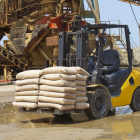
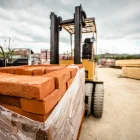
Rough terrain forklifts are defined by high ground clearance, large pneumatic tyres and four-wheel drive, allowing them to operate on muddy, uneven or undeveloped building sites where paved surfaces are absent. They are best for moving palletised materials across open yards, placing packs of blocks, or shifting loads between storage and active work areas where ground conditions would immobilise standard forklifts. Typical capacities vary, but rough terrain machines prioritise stability and traction over compact manoeuvrability, which suits outdoor staging areas and bulk-material handling. Active Forklift can supply rough terrain and all-terrain machines for regional and urban projects across Australia, providing suitable machines for muddy or soft-ground conditions.
How Does Telehandler Hire Support Building Site Operations?
Telehandlers combine lifting capacity with a telescopic boom, delivering reach and placement versatility that standard forklifts cannot match; they excel at lifting materials to upper levels, over obstacles, and into tight building façades. With a wide range of attachments, forks, buckets, jibs and winches, telehandlers serve as multi-role machines for material placement, hoisting palletised loads, or handling loose materials. Their ability to reach horizontally and vertically reduces the need for cranes on some tasks and speeds repetitive placement operations. Active Forklift offers telehandler hire for projects that require elevated placement or extended reach, making them a practical rental choice when access and reach are critical.
What Are the Advantages of Electric and Diesel Forklifts for Construction?
Electric forklifts provide low emissions, quieter operation and lower running costs on sites where indoor work, noise limits or air quality matter; they are ideal for covered storage, warehouses on-site, or urban projects with noise restrictions. Diesel forklifts deliver higher torque, longer runtime and easier refuelling, suiting heavy-duty outdoor tasks and prolonged shifts where power and endurance are priorities. The trade-offs include charging logistics and runtime planning for electric units, versus fuel management and emissions considerations for diesel. Active Forklift hires both electric and diesel options, enabling project teams to choose machines aligned with indoor/outdoor use and environmental constraints.
What Are the Key Considerations When Hiring a Forklift for Construction?
Selecting the right hire forklift requires balancing load capacity, lift height, terrain suitability, required attachments and rental duration; these factors jointly determine machine fit, safety and cost. Before requesting quotes, quantify the maximum load weight and load centre, desired lift height, ground conditions and whether you require specialized attachments. Delivery access, site restrictions and operator availability also influence the final hire specification. The markdown table below presents a checklist-style EAV table to summarise core selection attributes and practical recommendation ranges for construction scenarios.
| Specification | What to Check | Recommended Range / Note |
| Load capacity | Match rated capacity to heaviest lift including load centre | Select capacity ≥ 20–30% above max load for safety |
| Lift height | Required vertical reach including pallet stacking or placing | Specify maximum working height and mast type |
| Terrain | Ground type, access ramps and surface finish | Choose rough terrain/all-terrain for soft/uneven sites |
| Attachments | Fork extensions, jib, bucket, pallet forks | Confirm compatibility and impact on rated capacity |
This checklist helps clarify information providers’ need for accurate quotes and safe machine selection, and it sets up discussion of attachments and rental duration in the next subsection.
How Do Load Capacity, Lift Height, and Terrain Affect Forklift Choice?
Load capacity determines the base machine class, select a forklift whose rated capacity comfortably exceeds the heaviest expected lift after accounting for load centre. Lift height and mast type govern stacking ability and safe placement at levels, so specify maximum working height and any reach-forcing attachments. Terrain affects tyre type, drive train and chassis design: soft or uneven ground requires rough-terrain or telehandler solutions, while smooth, paved areas allow compact electrics. As a rule of thumb, always provide providers with weight, dimensions and lift height requirements to ensure the hired machine matches site demands and maintains rated safety margins.
What Role Do Attachments and Rental Duration Play in Forklift Hire?
Attachments extend machine capability, fork extensions increase load length handling, jibs convert forklifts into small cranes, and buckets turn telehandlers into material-handling tools; however, every attachment changes rated capacity and may require additional operator competency. Rental duration affects overall cost-per-day: short-term hires suit sudden peaks while long-term contracts often offer better daily rates and include scheduled maintenance. Consider the project timeline, seasonality and whether you need trial-before-purchase flexibility when selecting hire duration. Discuss attachment needs and duration with the hire provider so quotes reflect the complete package and any necessary certification or insurance adjustments.
Common construction attachments to consider:
- Fork extensions for oversized pallets.
- Jib attachments for lifting irregular loads.
- Buckets for loose material handling.
These attachment choices influence both machine selection and hire pricing, which leads directly into understanding cost drivers.
How Much Does Forklift Hire Cost for Construction Sites?
Forklift hire cost depends on machine category, capacity, required attachments, delivery distance, duration, insurance and location-specific factors; transparent budgeting requires listing these variables before requesting quotes. Daily, weekly and monthly rates can vary widely between compact electrics and high-capacity telehandlers or 10–16 tonne machines, and attachment hire or transport may be quoted separately. Example rate bands provide a starting point for budgeting, but live quotes are necessary to reflect site access, delivery logistics and any service or breakdown commitments. Below is an example EAV-style table showing indicative daily, weekly and monthly ranges for common categories with a clear caveat that these are illustrative.
| Machine Category | Daily (Indicative) | Weekly (Indicative) | Monthly (Indicative) |
| Compact electric | $120–$250 | $600–$1,200 | $1,800–$4,000 |
| Rough terrain | $250–$450 | $1,200–$2,200 | $3,600–$6,500 |
| Telehandler (mid-range) | $350–$700 | $1,800–$3,600 | $5,400–$10,800 |
These ranges are indicative and vary by region, season and availability; provide exact project details to receive tailored, accurate quotes.
What Factors Influence Forklift Rental Prices on Building Sites?
Price drivers include machine type and capacity, attachment requirements, delivery and collection logistics, rental duration, service and breakdown coverage, and site constraints that affect safe delivery or operation. Remote or regional locations typically attract higher transport charges and may influence availability windows; attachments and operator hire add to total costs. Requesting a quote with clear site coordinates, expected ground conditions, load weights and certification needs helps providers generate accurate proposals. Preparing this information reduces back-and-forth and prevents unexpected charges once the hire period begins.
What Are Typical Daily, Weekly, and Monthly Forklift Hire Rates?
The illustrative table above shows typical bands: compact electrics at the lower end, rough terrain and telehandlers at mid-to-high ranges, and heavy 10–16 tonne models priced higher due to capacity and specialised support needs. Always treat published ranges as budgetary guidance rather than firm offers and ask providers for inclusive quotes covering delivery, collection, attachments and any service-level agreements. Active Forklift offers competitive rates, flexible short-term and long-term hire arrangements and can provide tailored quotes that factor in delivery and on-site support requirements; request a site-specific quote to obtain precise pricing for your project.
How to Ensure Safety and Compliance When Using Forklifts on Construction Sites?
Safety and compliance combine operator competency, site risk assessment, maintenance and documented inspection regimes to reduce accidents and legal exposure. Employers and site managers must verify operator licences and ensure machines are suited to the tasks and ground conditions; pre-shift checks, daily walk-arounds and written maintenance logs form the backbone of a compliant regime. Establish traffic management plans, exclusion zones and communication protocols for pedestrians and plant movement to minimise collision risks. These systems protect workers, assets and schedules and should be part of any hire agreement or site induction process.
What Operator Training and Certification Are Required for Forklift Hire?
Operators should hold recognised forklift licences or certificates appropriate to the machine type they will operate, and competency must be verified before allowing operation on site; for specialised attachments or telehandlers, additional training or endorsements may be required. Employers are responsible for ensuring operators are trained in the specific machine and attachments provided, and that evidence of competency is available during inductions. If needed, some providers can advise on operator sourcing or training referrals to ensure compliance. Confirming operator competency reduces risk and ensures machinery is used within rated limits and manufacturer guidance.
What Are Best Practices for Forklift Safety on Construction Sites?

A practical safety checklist starts with pre-start inspections, documented maintenance records and ensuring the machine’s rated capacity suits the lift after accounting for attachments and load centre. Implement clear traffic management, pedestrian exclusion zones and designated travel paths for plants to separate people from moving machinery; use banksmen or spotters for restricted visibility operations. Ensure loads are secured, stacked within rated limits and that environmental conditions, such as wind, slope and ground bearing, are considered before lifts. Regular toolbox talks, incident reporting procedures and prompt servicing complete a proactive safety programme that supports compliance and workforce safety.
Essential safety measures include:
- Daily pre-start checks and documented maintenance.
- Clear traffic management and pedestrian exclusion zones.
- Secure loads and verify rated capacity after fitting attachments.
These practices reduce incidents and ensure machines operate within safe parameters, preparing a smooth handover between provider and site teams.
What Solutions Does Active Forklift Offer for Construction Site Forklift Hire?
Active Forklift provides a comprehensive hire service tailored to construction needs, offering a wide range of new and used forklifts plus flexible rental options and repair services. Their fleet coverage includes all-terrain and rough terrain machines, electric and gas/diesel units, telehandlers and higher-capacity 10–16 tonne models suitable for heavy construction tasks, and they service projects across metropolitan and regional Australia including Sydney, Melbourne and Brisbane. Commercial terms include short-term and long-term contracts, trial-before-purchase options and responsive maintenance with an on-site breakdown service that can reach a site within two hours subject to location. These factual offerings support project teams seeking both technical range and commercial flexibility from a single provider.
How Does Active Forklift’s Range Meet Diverse Construction Needs?
Active Forklift’s machine categories map directly to common construction scenarios: all-terrain and rough terrain forklifts cover soft or uneven outdoor sites, telehandlers support elevated placement and reach-critical tasks, and electric or gas/diesel units serve indoor or heavy-duty outdoor needs respectively. The company offers both new and used machines, enabling cost-sensitive projects to access suitable capacity while retaining optionality for upgrade or trial-before-purchase arrangements. Regional and metropolitan coverage ensures delivery and collection options for a variety of sites, and repair services complement hire agreements to reduce downtime.
Mapping Active Forklift offerings to site scenarios:
- All-terrain/rough terrain forklifts for muddy or uneven outdoor works.
- Telehandlers for placing materials at height or over obstacles.
- Electric units for indoor or urban projects with emissions considerations.
These factual service alignments help construction planners select the right hire configuration for their project type and location.
What Are the Benefits of Choosing Active Forklift for Your Construction Project?
Active Forklift emphasises expert advice and solutions backed by a broad equipment range, which helps match machine selection to project specifics such as load, lift height and ground conditions. Flexible short-term and long-term rental options let teams scale with demand while trial-before-purchase possibilities reduce acquisition risk, and repair plus maintenance services, including a location-dependent two-hour on-site breakdown response, help maintain uptime. Competitive rates and tailored quotes support budget planning and the company’s geographic coverage across major Australian cities and regional areas simplifies logistics for dispersed projects. Contact Active Forklift to request a quote or technical consultation for your upcoming construction hire needs.
Benefits summarised:
- Expert equipment selection and advice matched to construction tasks.
- Flexible hire terms with maintenance and breakdown support.
- National coverage and mixed fleet options to suit varied site conditions.
These service elements make renting through a specialist provider a practical option for many construction projects seeking to balance cost, capability and uptime.