Long-term forklift rental options provide businesses with a flexible and cost-effective solution for their material handling needs. This comprehensive guide will explore the various benefits, costs, and contractual aspects of long-term forklift hire, helping you make informed decisions for your operations. Understanding the nuances of long-term forklift rental is essential for businesses looking to optimise their logistics and equipment management. Many companies face challenges related to capital expenditure and equipment maintenance, making long-term rental an attractive alternative. In this article, we will delve into the key benefits of long-term forklift hire, the differences between contract hire and leasing, the types of forklifts best suited for long-term rental, typical costs associated with rental agreements, and how different industries can benefit from these options.
What Are the Key Benefits of Long-Term Forklift Hire?
Long-term forklift hire offers several advantages that can significantly enhance operational efficiency and financial management. By opting for long-term rental, businesses can avoid the substantial upfront costs associated with purchasing equipment, allowing for better cash flow management. Additionally, long-term rentals often include maintenance and support services, ensuring that the equipment remains in optimal working condition without incurring extra costs. This flexibility in fleet management allows companies to adapt to changing operational demands without the burden of ownership.
How Does Long-Term Rental Deliver Cost Savings and Financial Flexibility?
Long-term rental provides financial flexibility through fixed monthly payments, which help businesses manage their budgets more effectively. By avoiding large upfront capital expenditures, companies can allocate resources to other critical areas of their operations. Furthermore, the predictable nature of rental payments allows for better financial planning and cash flow management, reducing the strain on financial resources. This approach enables businesses to invest in growth opportunities while maintaining access to essential equipment.
What Maintenance and Support Services Are Included in Long-Term Hire?
When businesses choose long-term forklift hire, they typically benefit from comprehensive maintenance and support services. These services often include regular maintenance schedules, emergency repair services, and access to technical support. By having these services included in the rental agreement, companies can ensure that their equipment remains reliable and efficient, minimising downtime and enhancing productivity. This level of support is crucial for businesses that rely heavily on forklifts for their daily operations.
How Do Forklift Contract Hire and Lease Options Differ?
Understanding the differences between forklift contract hire and leasing options is essential for businesses considering their equipment acquisition strategies. Contract hire typically involves a fixed-term agreement where the rental company retains ownership of the equipment, while leasing may offer more flexibility in terms of ownership and contract length. Each option has its pros and cons, and businesses must evaluate their specific needs to determine which approach aligns best with their operational goals.
What Is a Forklift Contract Hire and How Does It Work?
Forklift contract hire is a rental agreement where a business rents a forklift for a specified period, usually ranging from one to five years. The rental company retains ownership of the equipment, and the business pays a fixed monthly fee that covers the use of the forklift, maintenance, and support services. This arrangement allows businesses to access the latest equipment without the financial burden of ownership, making it an attractive option for many companies.
How Does Forklift Lease Compare to Hiring and Buying?
Leasing a forklift differs from hiring and buying in several key ways. While hiring provides temporary access to equipment, leasing often involves longer-term commitments with the option to purchase at the end of the lease term. Leasing can offer lower monthly payments compared to buying, making it a more affordable option for businesses looking to maintain cash flow. However, businesses must consider the total cost of ownership and the potential benefits of purchasing equipment outright. For companies ready to invest in their own machinery, exploring Forklifts for Sale Sydney can provide options that meet both budget and operational needs, ensuring long-term efficiency and value.
Which Forklift Types Are Best Suited for Long-Term Rental?
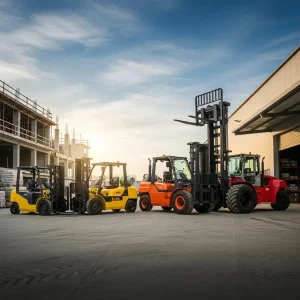
Selecting the right type of forklift for long-term rental is crucial for maximising operational efficiency. Different forklift types, such as electric, diesel, LPG, and all-terrain forklifts, offer unique advantages depending on the specific application and environment in which they will be used. Understanding these differences can help businesses make informed decisions about their equipment needs.
What Are the Advantages of Electric, Diesel, LPG, and All-Terrain Forklifts?
Each forklift type has distinct advantages that cater to various operational requirements:
- Electric Forklifts: Known for their efficiency and low operating costs, electric forklifts are ideal for indoor use and environments where emissions are a concern.
- Diesel Forklifts: These forklifts provide robust power and are suitable for outdoor applications, particularly in rugged terrains and heavy-duty tasks.
- LPG Forklifts: Offering a balance between power and efficiency, LPG forklifts are versatile and can be used both indoors and outdoors.
- All-Terrain Forklifts: Designed for rough and uneven surfaces, all-terrain forklifts are perfect for construction sites and outdoor operations.
How to Choose the Right Forklift Based on Capacity and Application?
When selecting a forklift for long-term rental, businesses should consider several factors, including load capacity, operational environment, and specific application needs. Assessing load capacity requirements is essential to ensure that the forklift can handle the intended tasks without compromising safety or efficiency. Additionally, matching the forklift type to the operational environment, whether it be a warehouse, construction site, or outdoor area, will enhance productivity and reduce the risk of equipment failure.
What Are the Typical Costs and Inclusions in Long-Term Forklift Rental Agreements?
Understanding the costs associated with long-term forklift rental agreements is vital for effective budgeting and financial planning. Rental costs can vary based on several factors, including the type of forklift, rental duration, and included services. Typically, rental agreements will cover maintenance, insurance, and support services, providing businesses with a comprehensive solution for their equipment needs.
How Are Fixed Monthly Payments Structured and What Do They Cover?
Fixed monthly payments for long-term forklift rentals are structured to include the cost of the equipment, maintenance, and any additional services outlined in the rental agreement. This predictable payment structure allows businesses to budget effectively and avoid unexpected expenses. Typically, these payments cover regular maintenance, emergency repairs, and technical support, ensuring that the equipment remains operational throughout the rental period. For companies seeking reliable and professional service, choosing the best forklift hire in Wetherill Park ensures high-quality equipment, expert support, and peace of mind for all your operational needs.
What Contract Terms and Flexibility Should You Expect?
When entering into a long-term forklift rental agreement, businesses should be aware of the contract terms and the flexibility offered. Most agreements will specify the rental duration, payment terms, and conditions for early termination or extension. Understanding these terms is crucial for businesses to ensure that they can adapt to changing operational needs without incurring penalties or additional costs.
How Does Long-Term Forklift Hire Benefit Specific Industries?
Long-term forklift hire can provide significant advantages for various industries, including construction, warehousing, and logistics. Each industry has unique requirements that can be met through tailored rental solutions, enhancing operational efficiency and reducing costs.
What Are the Advantages for Construction Companies?
Construction companies often face fluctuating equipment needs based on project demands. Long-term forklift hire allows these companies to access the necessary equipment without the financial burden of ownership. This flexibility enables construction firms to scale their operations up or down as needed, ensuring they have the right tools for each project while minimising capital expenditure.
How Do Warehousing and Logistics Operations Gain from Long-Term Rental?
In warehousing and logistics operations, efficiency and reliability are paramount. Long-term forklift rental provides businesses with access to well-maintained equipment, reducing the risk of downtime and enhancing productivity. Additionally, the inclusion of maintenance and support services ensures that forklifts are always in optimal working condition, allowing companies to focus on their core operations without worrying about equipment issues.
What Are the Most Common Questions About Long-Term Forklift Rental?
As businesses consider long-term forklift rental options, several common questions arise regarding the benefits, costs, and operational implications of this approach. Addressing these questions can help businesses make informed decisions about their equipment needs. Working with a Top Forklift Dealer in Australia ensures access to expert advice, high-quality machinery, and flexible rental or purchase options, helping companies choose the most efficient and cost-effective solutions for their operations.
Is It Better to Rent or Buy a Forklift for Long-Term Use?
The decision to rent or buy a forklift for long-term use depends on several factors, including financial considerations, operational needs, and equipment usage frequency. Renting offers flexibility and lower upfront costs, making it an attractive option for businesses with fluctuating equipment needs. Conversely, purchasing may be more cost-effective for companies that require consistent access to specific equipment over an extended period.
How Can Businesses Maximise Efficiency with Long-Term Rental?
To maximise efficiency with long-term forklift rental, businesses should establish clear operational guidelines and maintenance schedules. Regular training for operators can also enhance safety and productivity, ensuring that equipment is used effectively. Additionally, businesses should regularly assess their equipment needs and adjust their rental agreements accordingly to align with changing operational demands.
| Forklift Type | Advantages | Ideal Use Case |
| Electric | Low operating costs, zero emissions | Indoor operations |
| Diesel | High power, suitable for outdoor use | Heavy-duty tasks |
| LPG | Versatile, can be used indoors and outdoors | General applications |
| All-Terrain | Designed for rough surfaces | Construction sites |
| Cost Component | Description | Typical Value |
| Monthly Payment | Fixed cost for rental | Varies by forklift type and rental duration |
| Maintenance | Regular upkeep included | Typically covered |
| Insurance | Protection against damages | Often included or available as an option |
| Support Services | Technical assistance | Included in agreement |