Selecting the appropriate forklift for construction sites in New South Wales directly affects site efficiency and safety. This guide outlines the common forklift types, their operational benefits, typical load capacities and maintenance requirements. It also compares hiring versus purchasing to help you determine the most suitable procurement route for your projects in NSW.
Which Forklift Types Are Most Suitable for NSW Construction Sites?
Forklift selection influences productivity and safety on-site. The primary types used on NSW construction sites are rough terrain forklifts, telehandlers and compact forklifts. Rough terrain models provide stability and traction on uneven ground. Telehandlers deliver extended reach and lifting versatility for elevated placements. Compact forklifts offer manoeuvrability for confined or indoor areas.
Active Forklift is an established supplier and hirer in New South Wales, offering models configured for construction environments and operational requirements.
What Are the Advantages of Rough Terrain Forklifts for Building Sites?
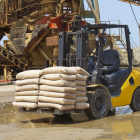
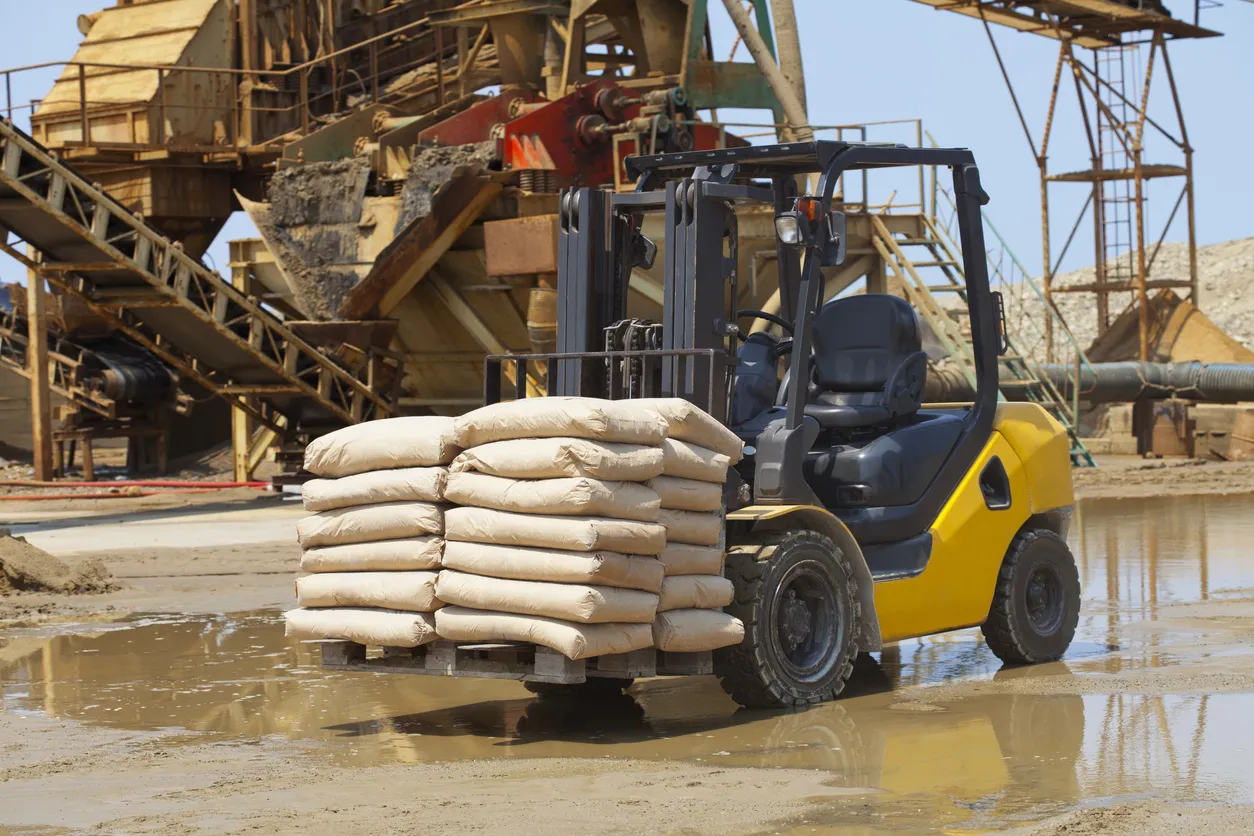
Rough terrain forklifts deliver capabilities tailored to outdoor construction conditions. They are engineered to maintain stability and control on irregular surfaces common to building sites.
- High Ground Clearance: This reduces the risk of grounding on uneven ground and obstacles.
- Large Pneumatic Tires: Enhanced traction improves control when moving heavy materials across challenging terrain.
- Heavy Load Capacity: These units are designed to lift and transport substantial construction materials.
Collectively, these features improve site productivity and reduce operational risk when working outdoors.
How Do Compact and Heavy-Duty Forklifts Compare for Construction Use?
Comparing compact and heavy‑duty forklifts requires consideration of terrain, capacity and manoeuvrability to match equipment to task requirements.
- Terrain Suitability: Compact forklifts suit indoor and paved areas; heavy‑duty models are designed for outdoor and rough terrain use.
- Load Capacity Variations: Heavy‑duty units support higher capacities (typically 2–16 tonnes) versus compact units (typically 1–5 tonnes).
- Manoeuvrability Considerations: Compact forklifts excel in confined spaces, while heavy‑duty machines perform better in open areas with larger loads.
Assessing these factors ensures the selection of a forklift that aligns with site conditions and material handling demands.
What Are the Load Capacity Requirements for Forklifts on NSW Construction Sites?
Load capacity is a primary selection criterion for construction forklifts. Ensure the chosen equipment meets the weight demands of your materials and tasks to maintain safety and efficiency.
- Rough Terrain Forklift: 2–10 tonnes
- Telehandler: 2–16 tonnes
- Electric Forklift: 1–5 tonnes
Specify capacity requirements based on the heaviest loads anticipated and include an operational margin for safety.
How to Match Forklift Load Capacity to Site Terrain and Materials
Proper matching of capacity to site conditions reduces risk and supports operational performance. Use clear selection criteria when specifying equipment.
- Select a Forklift with a Capacity Exceeding the Heaviest Expected Lift: Provide a margin to accommodate variable loads safely.
- Evaluate Ground Type and Access Ramps: Confirm the machine’s suitability for the site surface and gradients.
- Confirm Compatibility of Attachments: Ensure attachments are rated for the loads and terrain to avoid instability.
Applying these guidelines supports safe, reliable material handling on site.
What Are Typical Load Capacities for Heavy Duty and Compact Forklifts?
Recognising typical load capacities aids procurement and operational planning. The table above summarises common capacity ranges for different forklift classes.
| Forklift Type | Typical Load Capacity |
| Heavy-Duty Forklifts | Up to 16 tonnes |
| Compact Forklifts | 1 to 5 tonnes |
| Rough Terrain Forklifts | 2 to 10 tonnes |
Use this comparison to select equipment that matches project load profiles and site constraints.Should You Hire or Purchase Forklifts for Construction Projects in NSW?
The decision to hire or purchase depends on project duration, capital availability and fleet requirements. Hiring reduces capital outlay and offers flexibility for short‑term needs, often with maintenance included.
Purchasing can be more economical for sustained, long‑term use and provides full control over equipment configuration and maintenance scheduling.
A structured procurement approach, based on project requirements and investment criteria, supports optimal selection between hiring and buying.
Optimal Forklift Selection & Procurement Criteria
This paper outlines criteria for selecting an optimal forklift unit for warehouse operation. The analysis explores requirement definition and identifies relevant criteria for investment decisions. Applying multi‑criteria analysis, the study determines parameter weights to populate a selection database. The paper also provides an example of choosing an optimal forklift based on the selected criteria to support investment decision‑making.
Selection of forklift unit for warehouse operation by applying multi-criteria analysis, 2013
What Are the Cost Benefits of Forklift Hire Versus Purchase?
Cost considerations differ by project horizon and utilisation. Evaluate the total cost of ownership against rental expenditure to identify the most economical option.
- Cost Savings for Short-Term Needs: Hiring can reduce expenditure for projects with a limited duration.
- Predictable Monthly Costs with Rentals: Rental fees simplify budgeting and cash‑flow management.
- No Maintenance Hassles with Hire: Many hire agreements include maintenance and breakdown support, reducing operational burden.
For short‑term or variable demand, hiring typically offers greater financial flexibility.
How Do Hire Services Cater to Short-Term and Long-Term Construction Needs?
Equipment hire services are structured to support both transient and extended project requirements through flexible terms and fleet availability.
- Flexible Hire Terms: Contracts can be adjusted to match project timelines and scale.
- Diverse Fleet of Forklifts Available: Providers maintain varied models to suit different tasks and site conditions.
- Maintenance and Breakdown Support Included: Support services reduce downtime and administrative overhead.
Strict compliance with these requirements maintains a safe working environment and supports regulatory obligations.
What Safety Standards and Regulatory Compliance Apply to Forklifts in NSW Construction?
Compliance with applicable Australian Standards and state regulations is mandatory for forklift operation on construction sites in New South Wales. Adherence protects personnel and limits organisational liability.
- Operator Licensing Requirements: Operators must hold the appropriate licences and certifications for safe operation.
- Regular Maintenance and Safety Checks: Equipment must be inspected routinely to confirm safe working conditions.
- Traffic Management Plans: Sites must implement traffic management to control vehicle movements and reduce conflict.
This flexibility makes hire services a practical choice for many construction operators in New South Wales.
Which NSW Safety Regulations Must Forklifts Meet on Construction Sites?
Forklifts on NSW construction sites must meet regulation and standard requirements intended to protect operators and other personnel. Key obligations cover operator competency, equipment conformity and traffic management.
- Operator Competency Requirements: Demonstrable training and certification are required for operators.
- Equipment Standards Compliance: Machines must comply with safety standards established by regulatory authorities.
- Traffic Management Plans: Effective traffic controls must be in place to reduce operational risks.
These regulatory measures are intended to prevent incidents and protect site personnel.
How Does Operator Training Ensure Compliance and Site Safety?
Operator training underpins regulatory compliance and safe site operations. Structured programmes cover operational competence, site induction and emergency response.
- Competency Verification for Operators: Training verifies that operators can handle forklifts safely and effectively.
- Site-Specific Induction Training: Inductions address site hazards and procedures unique to each location.
- Emergency Procedures Training: Operators are trained to execute emergency responses and incident mitigation.
Investing in comprehensive training reduces risk and supports consistent compliance across projects.
Indeed, an integrated safety approach emphasises the role of operator training and efficient facility design in improving outcomes.
Forklift Safety & Operator Training in NSW
WorkCover NSW produced a checklist addressing forklift driver behavioural components. The integrated safety approach supports improved operator training and clearer, more efficient industrial facility design.
An integrated approach to forklift safety, TJ Larsson, 2004
How Should Forklifts Be Maintained and Serviced for Optimal Performance on Construction Sites?
Consistent maintenance and servicing are essential to ensure forklifts perform reliably on construction sites. Implement a documented regime that includes scheduled servicing and daily checks.
- Regular Maintenance Schedule: A routine schedule prevents unexpected failures and supports asset availability.
- Daily Inspections Before Operation: Daily checks identify defects before machines enter service.
- Document Maintenance Activities: Records demonstrate compliance and assist fleet management.
Adhering to these practices extends equipment life and reduces safety risks on site.
What Are Recommended Maintenance Practices for Rough Terrain and Heavy Duty Forklifts?
Rough terrain and heavy‑duty forklifts require targeted maintenance to preserve reliability under demanding conditions. Establish preventative servicing and regular component inspections.
- Routine Maintenance Checks: Inspect critical systems regularly to confirm operational integrity.
- Preventative Servicing: Scheduled servicing addresses wear before failures occur.
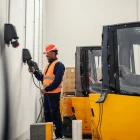
- Daily Pre-Start Checks: Operators should verify safety systems and fluid levels before use.
These practices are essential to sustain performance in challenging construction environments.
Maintaining these high‑mass, rigid machines requires disciplined servicing and adherence to industrial traffic management procedures.
Forklift Maintenance & Construction in NSW
The NSW guide is intended primarily for managers and maintenance professionals. Forklift maintenance providers rely on such guidance to manage heavy, rigid equipment. These forklifts have high mass and robust construction, requiring diligent care.
A guidebook of industrial traffic management & forklift safety, TJ Larsson, 2003
How Does Regular Servicing Impact Forklift Longevity and Safety?
Regular servicing materially improves forklift longevity and operational safety. A disciplined service regime mitigates failure risk and preserves safety systems.
- Reduce the Likelihood of Unexpected Breakdowns: Routine checks identify faults before they escalate.
- Enhance Safety by Catching Potential Hazards: Servicing ensures safety features remain effective.
- Extend the Lifespan of Forklifts: Consistent maintenance increases asset service life and return on investment.
In conclusion, regular servicing is essential for maintaining the performance and safety of forklifts on construction sites.
Conclusion
Selecting the correct forklift for New South Wales construction sites improves operational efficiency and site safety. A clear understanding of machine types, capacities and maintenance requirements enables informed procurement and operational decisions. Whether hiring or purchasing, choose equipment that aligns with project duration, load profiles and site conditions to maximise productivity and minimise risk. Explore our full range of forklifts to identify models suited to your construction requirements.