Selecting the right forklift improves productivity and safety on construction sites. This article outlines the main vehicle categories for building work, practical maintenance practices and the advantages of hiring equipment. Readers will get concise guidance on applications, selection criteria and basic upkeep to keep machines operational and compliant.
Best Forklifts for the Building Industry
Forklift choice directly affects site efficiency. Common categories include rough-terrain forklifts, telehandlers, electric units and diesel models, each designed for particular tasks, from handling uneven ground to working indoors. Understanding these differences helps managers match equipment to project needs. Active Forklift Services offers forklift sales, hire, and maintenance services relevant to the building industry, ensuring that companies have the right equipment for their needs.
Types of Forklifts:
- Rough Terrain Forklifts: Ideal for outdoor use, these forklifts navigate uneven surfaces and challenging terrain on construction sites.
- Telehandlers: Versatile machines with an extendable boom for lifting to higher elevations on multi-storey projects.
- Electric Forklifts: Suited to indoor operations; quieter and low-emission for warehouses and enclosed areas.
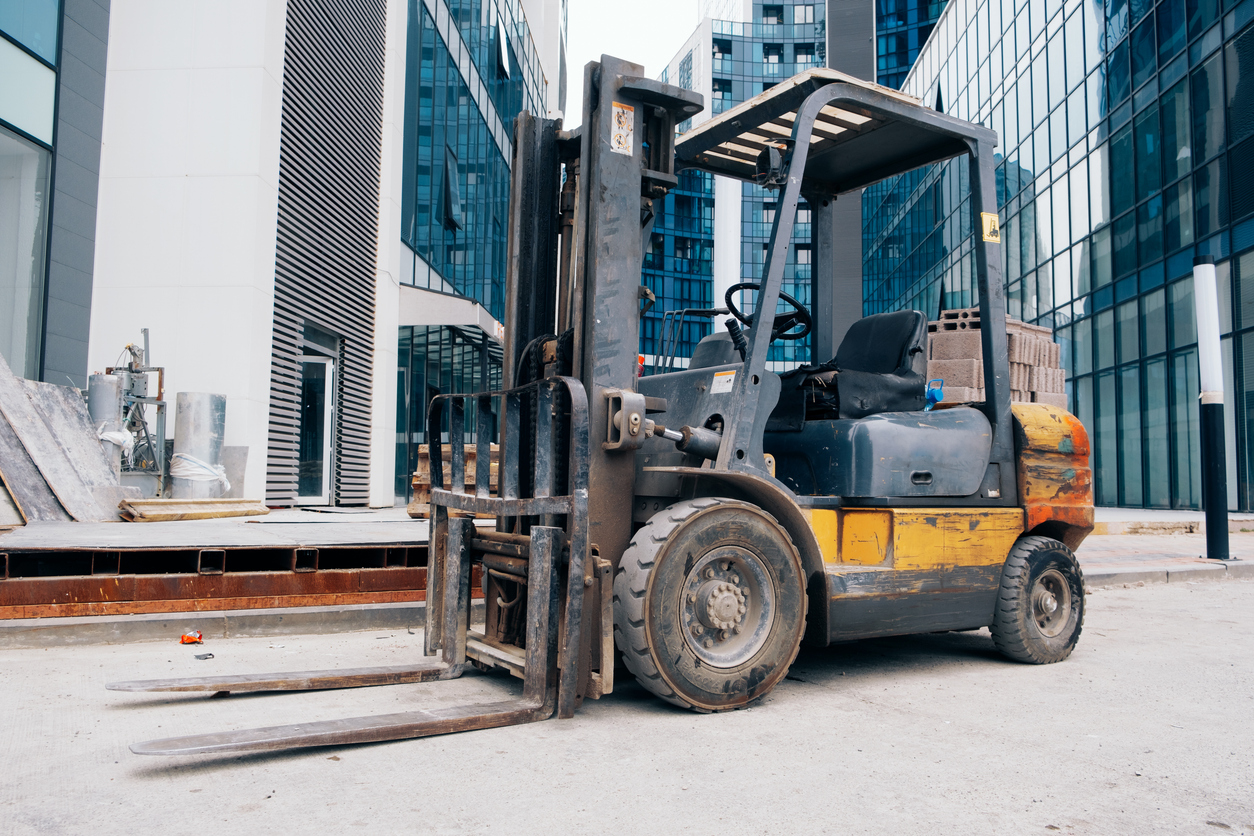
- Diesel Forklifts: Powerful, durable machines for heavy lifting and outdoor site work.
Essential Maintenance Practices:
Planned maintenance extends service life and ensures safe operation. Standard practices include:
- Routine Maintenance Schedules: A consistent schedule helps detect issues early and avoid costly failures.
- Daily Inspections: Operators should check controls, hydraulics, tyres and safety devices before each shift.
- Operator Training on Maintenance: Basic operator maintenance skills reduce minor faults and support safer operation.
- Documenting Maintenance Activities: Keep clear records of inspections and repairs to track conditions and meet regulatory requirements.
Rental Solutions for Construction:
Hiring forklifts is a cost-effective alternative to ownership, giving access to current equipment without large capital outlay. Key benefits include:
- Cost-Effectiveness: Renting avoids a large upfront investment and frees capital for other project needs.
- Access to Latest Technology: Rental fleets often include newer models with improved features and safety systems.
- Types of Forklifts Available for Hire: A broad range of machines can be rented to suit site conditions and tasks.
- Flexible Hire Terms: Agreements can be tailored to project timelines and seasonal demand.
Which Forklift Types Are Best Suited for Construction Sites?
Choosing the correct forklift type is essential to optimise efficiency and maintain safety. The best options include:
- Rough Terrain Forklifts: For uneven surfaces and outdoor conditions.
- Telehandlers: For lifting to elevated work areas.
- Electric Forklifts: For indoor, low-emission environments.
- Diesel Forklifts: For heavy outdoor lifting and continuous heavy use.
What Are the Advantages of Diesel, Electric, and LPG Forklifts for Building Projects?
Each propulsion type has advantages for specific site needs:
- Diesel Forklifts: Powerful and durable for outdoor, heavy-duty tasks.
- Electric Forklifts: Cost-efficient and low-emission for controlled environments.
- LPG Forklifts: Flexible use both indoors and outdoors with moderate emissions.
How Do Load Capacities and Attachments Affect Forklift Selection?
Load capacity sets the safe weight limit. Attachments, fork extensions, jibs and buckets increase versatility but must be rated and factored into stability calculations to prevent overload.
What Are the Essential Maintenance Practices for Construction Forklifts?
Key maintenance practices include:
- Routine Checks and Inspections: Inspect for wear, leaks and damage to keep machines safe and reliable.
- Servicing Schedules: Follow manufacturer schedules to avoid breakdowns and extend life.
- Safety Inspections: Regular safety checks ensure compliance and reduce incident risk.
How Often Should Forklifts Be Inspected and Serviced on Building Sites?
Follow manufacturer guidance and adjust intervals to operational intensity. Daily pre-use checks are recommended; schedule more comprehensive servicing weekly or monthly as usage dictates.
What Are Common Maintenance Challenges and Expert Solutions for Construction Forklifts?
Typical maintenance challenges include:
- Wear and Tear: Routine use causes component degradation that requires timely repair.
- Operator Errors: Inadequate training can increase maintenance demands.
- Environmental Factors: Harsh site conditions accelerate wear and call for more frequent upkeep.
Address these issues with structured operator training programmes and robust maintenance regimes to reduce downtime and improve reliability.
What Are the Key Considerations When Renting Forklifts for Building Sites?
When hiring forklifts, assess the following:
- Assessing Specific Needs: Match machine type and capacity to project tasks and site conditions.
- Budget Constraints: Confirm rental rates fit the project budget, including any support costs.
- Choosing the Right Dealer: Choose a reputable supplier that provides maintained equipment and reliable service.
How Do Rental Terms and Costs Vary for Different Forklift Types?
Forklift rental services in Parramatta depend on machine type, specification and hire duration. Key cost drivers are machine capability, rental period and whether maintenance or support is included.
What Benefits Do Flexible Hiring Options Offer to Construction Operations?
Flexible hire provides several operational advantages:
- Cost-Effectiveness: Renting avoids large capital expenditure while providing necessary equipment.
- Access to a Variety of Models: Hire options let teams select the best machine for each task.
- Maintenance and Support: Many agreements include servicing, reducing the in-house maintenance load.
Which Forklift Brands Are Recognised as the Best for Construction Industry Needs?
Several manufacturers are known for reliability and performance in construction. Brands that emphasise safety, product innovation and customer support are commonly preferred by industry professionals.
What Features Distinguish Heavy Duty Forklifts from Leading Manufacturers?
Heavy-duty forklifts are characterised by:
- High Load Capacities: Built to handle substantial weights for demanding tasks.
- Robust Design for Rough Terrain: Constructed to endure harsh conditions with reliable components.
- Performance Metrics: Manufacturers publish metrics that demonstrate efficiency and capability.
How Do Safety Certifications and Operator Training Impact Brand Selection?
Safety certifications show compliance with standards and are a key selection factor. Availability of operator training and technical support also influences brand choice, favouring suppliers that support user competency and after-sales service.
Conclusion
Selecting the right forklift attachments improves site efficiency and safety. Understanding vehicle types, maintenance obligations and hire options helps construction managers make informed procurement decisions aligned to project goals. Prioritising correct equipment and disciplined maintenance reduces operating costs and increases productivity. Review our specialist resources and services to identify the optimal forklift solution for your next project.