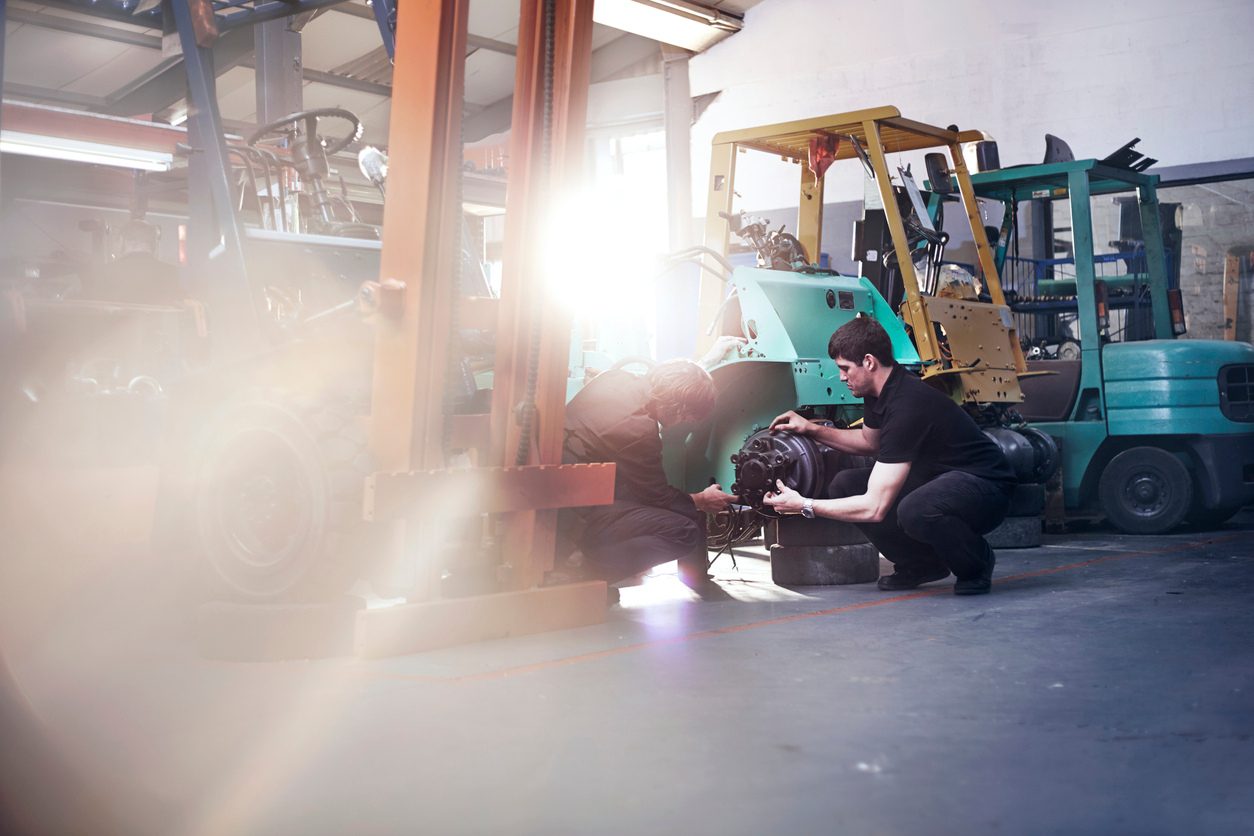
Preventive forklift maintenance is essential for ensuring the safe and efficient operation of industrial forklifts. Regular servicing and inspections not only extend the lifespan of these essential machines but also enhance workplace safety. This guide will delve into the intricacies of predetermined maintenance schedules, the importance of inspections, and best practices to adopt when servicing forklifts. Businesses in Sydney can particularly benefit from understanding local maintenance requirements and how to choose the right providers for these vital services. We’ll explore common servicing intervals, comprehensive inspection checklists, and preventive repair strategies that keep forklifts operating at optimal levels.
How Often Should You Follow a Forklift Maintenance Schedule?
Maintaining a rigorous forklift servicing schedule is crucial for operational safety and efficiency. Forklifts should undergo at least a basic inspection and servicing every three months, while more intensive services may be required based on usage intensity. Ensuring adherence to a planned schedule can prevent unexpected breakdowns and safety incidents, making it paramount for compliance with local regulations in Sydney. Regular maintenance not only improves safety but also enhances productivity by minimising downtime and costly repairs.
What Does a Comprehensive Forklift Inspection Checklist Include?
A comprehensive forklift inspection checklist includes several critical components that ensure the safe and efficient operation of the equipment. These components typically cover essential safety features, operational mechanisms, and maintenance needs. Effective use of an inspection checklist enables timely identification of potential issues before they lead to serious problems.
Which Safety Inspection Criteria Must Be Covered in Preventive Maintenance?
In preventive maintenance, several safety inspection criteria are essential. Legal requirements dictate that each inspection must include:
- Operational Safety Features: Ensuring all controls and safety mechanisms are functioning correctly is vital.
- Condition of the Forklift: Checking for visible wear and tear or potential mechanical failures.
- Fluid Levels: Regularly monitoring oil levels and hydraulic fluids to prevent operational failures.
Neglecting these criteria can lead to severe safety hazards and costly legal ramifications for businesses in Sydney.
How to Use a Forklift Inspection Checklist to Identify Repair Needs?
Effectively utilising a forklift inspection checklist can help in identifying emerging repair needs. Each inspection provides an opportunity to report on various components’ conditions and indicates where immediate attention is necessary. Best practices include:
- Regular Monitoring: Conducting checks consistently according to the maintenance schedule.
- Prioritising Repairs: Assessing the urgency of any identified issues based on their potential to affect safety and performance.
- Reporting Systems: Establishing a clear communication channel for reporting defects or maintenance needs.
Implementing these steps can significantly improve the reliability and safety of forklift operations.
What Are the Common Types of Preventive Forklift Maintenance and Repairs?
Preventive forklift maintenance encompasses several types of services designed to keep equipment running efficiently. This includes routine mechanical, electrical, and battery repairs, which are crucial for maintaining the machinery in peak condition. Preventive measures are designed to address issues before they escalate into more significant problems.
How Are Mechanical, Electrical, and Battery Repairs Scheduled?
The scheduling of mechanical, electrical, and battery repairs should be part of a comprehensive maintenance plan, with considerations made based on the following factors:
- Usage Intensity: More frequent use may necessitate more regular inspections.
- Manufacturer Guidelines: Following the specified service intervals recommended by the forklift manufacturer is essential.
- Condition Monitoring: Using diagnostics to inform repair schedules based on the specific needs of the forklift.
By having a structured approach, businesses can ensure their machinery remains safe and operational.
When Should Emergency Repairs Supplement Preventive Servicing?
Emergency repairs should supplement preventive servicing when significant issues arise unexpectedly. Identifying when to shift focus from routine to emergency repairs is crucial and can be determined by:
- Signs of Operational Failure: Unusual noises or performance drops necessitate immediate attention.
- Increased Risk Levels: Forklifts operating under potential failure conditions pose significant safety hazards.
- Capacity Limitations: Recognising when the equipment can no longer meet operational demands safely.
Addressing these circumstances quickly can mitigate risks and preserve the overall functionality of the fleet.
How Do Forklift Service Contracts Benefit Sydney Businesses?
Forklift service contracts provide numerous advantages, particularly for businesses operating in Sydney. These contracts streamline the maintenance process and ensure that forklifts receive timely care, facilitating uninterrupted operations. The key benefits include:
- Cost Predictability: Service contracts often include fixed pricing, helping businesses budget for maintenance costs.
- Access to Expertise: Engaging with specialised service providers assures high-quality repairs and maintenance.
- Preventive Care Focus: Contracts encourage a proactive instead of reactive approach to maintenance, reducing the risk of equipment failures.
These factors contribute significantly to optimising performance and safety in the workplace.
What Should You Look for in a Forklift Service Contract?
When selecting a forklift service contract, there are essential considerations to ensure it meets your business needs:
- Coverage Scope: Ensure the contract covers all necessary services, including routine inspections and emergency repairs.
- Response Times: Evaluate the provider’s commitment to response times in case of equipment failures.
- Additional Services: Look for added value through services like on-site repairs or operator training.
A well-structured service contract can become a strategic asset for maintaining operational efficiency and safety.
What Are Best Practices for Forklift Hire and Rental Maintenance?
Forklift rental and hire practices differ significantly from ownership, requiring unique maintenance strategies. Best practices in this sector help to ensure reliability and safety standards are met without the burden of ownership.
- Routine Maintenance Scheduling: Ensure that hired forklifts undergo scheduled maintenance in alignment with operational use.
- Pre-Operational Checks: Conduct thorough inspections before each operation to confirm functionality.
- Documentation Importance: Maintain records of inspections and maintenance performed to track equipment history and compliance.
Adopting these practices helps maintain operational integrity across rental fleets.
How to Ensure Consistent Maintenance on Forklifts in Rental Fleets?
For rental operations, consistent maintenance is doubly important due to the varying conditions forklifts may experience. Key strategies include:
- Regular Inspections: Conducting inspections at regular intervals to identify necessary repairs.
- Scheduled Maintenance Programs: Establishing a clear timeline for routine services to ensure that equipment is always ready for use.
- Effective Fault Reporting: Training staff to recognise and report issues promptly to maintain optimal performance.
By prioritising thorough inspections and structured maintenance schedules, businesses can minimise downtime and ensure safety.
Why Is Maintenance Important for Forklift Rental Safety and Compliance?
Consistent maintenance of rental forklifts is vital to meet safety regulations and compliance standards. The importance lies in mitigating risks associated with non-compliance, which can lead to significant liabilities and operational shutdowns. By prioritising maintenance, rental companies can guarantee that all equipment meets safety standards, thus protecting operators and other personnel on site.
What Digital Tools and Innovations Enhance Preventive Forklift Maintenance?
The integration of digital tools and innovations brings significant enhancements to preventive forklift maintenance. These advancements streamline maintenance procedures and improve operational safety.
How Can Real-Time Maintenance Alerts Improve Forklift Safety and Uptime?
Real-time maintenance alerts provide immediate feedback on forklift conditions, allowing for proactive servicing. These systems can significantly boost uptime by notifying operators of potential issues before they escalate. Benefits include:
- Enhanced Safety: Reduction of risk by addressing issues proactively.
- Uptime Optimisation: Longer operating periods due to early identification of maintenance needs.
- Data-Driven Decisions: Providing insights that can inform better maintenance scheduling and resource allocation.
This integration of technology ensures that forklifts remain compliant and functional.
What Role Do Predictive Maintenance Technologies Play in Industrial Forklift Care?
Predictive maintenance technologies leverage data analytics to predict equipment failure and optimise maintenance schedules. The shift from reactive to proactive maintenance, often facilitated by digital twin technology, represents a significant leap in efficiency and reliability.
Digital Twin for Predictive and Preventive Forklift Maintenance
The latest advancements in digital twin (DT) technology have made predictive maintenance more effective. Using DT makes it easier to accurately assess equipment status and detect potential problems before they occur, making forklift maintenance systems more reliable. This shift from reactive to preventive operations helps make maintenance plans more efficient, reduces disruptions, and can improve overall business performance.
Source: Logistics equipment condition monitoring and prediction based on digital twin and machine learning — F. Han et al., 2026.
Key advantages of these technologies include:
- Cost Savings: Reducing unexpected breakdown costs through timely maintenance interventions.
- Improved Performance Monitoring: Continuous monitoring of equipment performance to identify trends and anomalies.
- Extended Equipment Lifespan: Proactive care ensures forklifts operate within optimal conditions, prolonging durability.
These advancements signify a notable shift towards more efficient maintenance strategies.
How to Choose the Right Forklift Maintenance Provider in Sydney?
Selecting the most suitable forklift maintenance provider is crucial for ensuring equipment reliability. Considerations should involve:
- Experience and Expertise: Evaluate the provider’s experience in servicing specific forklift brands and models.
- Service Range: Check if they offer comprehensive services covering all maintenance needs, including emergency repairs.
- Reputation and Reviews: Researching previous customer feedback ensures a reliable choice.
Examining these factors guarantees that businesses partner with competent and efficient service providers.
What Questions Should You Ask a Forklift Servicing Company?
When evaluating potential forklift servicing companies, consider the following questions:
- What is your repair turnaround time? Understanding their efficiency can inform operational planning.
- Do you provide on-site repairs or only workshop service? This can affect downtime during repairs.
- What warranties do you offer on parts and labour? Enabling a clear understanding of service guarantees.
By gathering this information, businesses can make informed decisions that align with their operational needs.
How Do Service Reviews and Local Reputation Affect Your Choice?
Informal service reviews and local reputation significantly influence the choice of a forklift servicing company. A provider with positive feedback from past clients is likely to deliver dependable and high-quality service. Additionally, local companies may have better resource accessibility, reflecting on their ability to respond swiftly to maintenance needs.
What Are the Estimated Costs of Forklift Maintenance and Scheduled Servicing Packages?
Understanding the costs associated with forklift maintenance is essential for budgeting. Estimated costs vary based on service scope and frequency, but businesses should anticipate a range of investment for quality maintenance.
How Do Different Forklift Maintenance Services Impact Overall Costs?
The maintenance service model adopted can significantly influence costs. Regular maintenance packages typically offer lower costs on a per-visit basis compared to emergency repairs, translating to better long-term savings. Companies should analyse these variables when selecting services to ensure optimal resource allocation.
Are There Cost Benefits to Preventive Maintenance Over Emergency Repairs?
Investing in preventive maintenance tends to yield more significant cost benefits than relying solely on emergency repairs. By mitigating potential failures through regular servicing, businesses can avoid hefty repair costs and associated downtimes, creating a sustainable operational model.
Companies that adopt a proactive maintenance approach ensure safety, reliability, and compliance in their forklift operations, ultimately supporting their business success.