Forklift hire is a vital service for Sydney warehouses, allowing businesses to efficiently manage material handling without the significant upfront investment of purchasing equipment. In this comprehensive guide, readers will learn about the various types of forklifts available for hire, the associated rental rates, and the essential maintenance services required to ensure operational reliability. Many warehouse operators face the challenge of selecting the right equipment that meets their operational needs while also considering costs. This article promptly addresses these concerns and offers insights into how effective forklift hire and maintenance strategies can enhance warehouse productivity. Throughout the discussion, we will explore the factors that impact rental rates, the benefits of renting over purchasing, and best practices for ongoing fleet maintenance.
Overview of Forklift Hire
Forklift hire provides flexibility and cost-effectiveness for businesses that need temporary access to material handling equipment. By opting for rental services, warehouses can avoid the high capital costs associated with purchasing forklifts while benefiting from the latest models available on the market. This arrangement not only enables immediate access to necessary equipment but also reduces the complexities associated with ownership, including depreciation and residual value considerations. However, it is crucial for warehouse managers to understand the challenges involved in hiring, such as ensuring that the hired equipment meets specific operational requirements and complying with safety regulations.
Studies show that many material handling businesses lack accurate records of their forklift fleets, leading to inflated costs due to insufficient insight into operating expenses, maintenance, and utilisation.
Forklift Utilisation, Cost & Life Cycle Analysis for Warehousing
ABSTRACT: AbstractForklifts are classified as indispensable equipment utilised in manufacturing andwarehousing operations. This equipment contributes a large percentage towards anywarehouse and manufacturing operation. Industry surveys confirm that 94% ofmaterials handling businesses do not have an accurate record of their forklift fleet.Inflated costs are usually incurred due to the lack of knowledge or little insight intothe true drivers of forklift operating expenses, maintenance, life cycle and efficientutilisation.A comprehensive study on all abovementioned aspects affecting forklifts wouldprove beneficial on the long run for any business that utilises such fleet.
Study on efficient forklift utilisation, cost & life cycle analysis, 2013
Types of Forklifts Available for Hire
In Sydney, a variety of forklifts are available for hire, catering to different material handling tasks and environments. The primary types include:
- Electric Forklifts: Powered by electricity, these forklifts are ideal for indoor environments where emissions and noise levels are concerns.
- Diesel Forklifts: These are robust machines suitable for outdoor use, known for their high power and load capacity, making them perfect for heavy material handling.
- LPG Forklifts: Running on liquefied petroleum gas, these forklifts offer a balance between the benefits of electric and diesel options, making them versatile for various tasks.
Understanding the specific applications of each type will help businesses select the most suitable forklift for their warehouse needs.
Rental Rates
When considering forklift hire, rental rates vary significantly based on numerous factors such as the type of forklift, duration of hire, and local market conditions. Below is a table summarising potential costs associated with renting different types of forklifts.
| Forklift Type | Rental Duration | Average Cost |
| Electric Forklift | Daily | $150 |
| Diesel Forklift | Weekly | $600 |
| LPG Forklift | Monthly | $1,800 |
These rates reflect average costs in Sydney; however, actual rental prices may differ based on specific supplier agreements and market demand.
Maintenance Services Offered
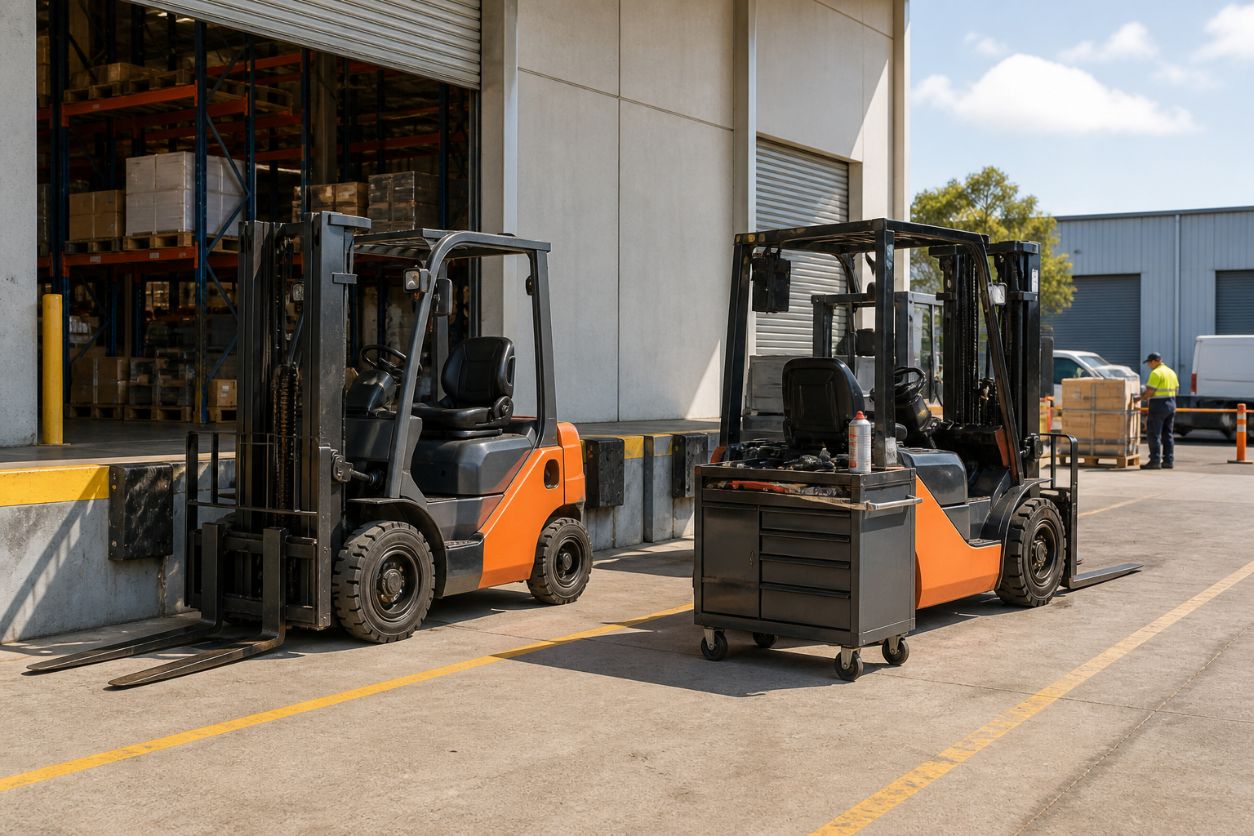
Maintaining forklifts in optimal working condition is essential for safety and efficiency. Many rental services provide comprehensive maintenance solutions, including scheduled inspections, repairs, and operator training. Regular maintenance not only ensures compliance with safety standards but also prolongs the lifespan of the equipment. Services typically include:
- Scheduled Maintenance: Regular checks and servicing to prevent equipment failure.
- Emergency Repairs: Quick response to breakdowns to minimise downtime.
- Operator Training: Ensuring that personnel are trained in safe operation practices.
By utilising professional maintenance services, warehouses can keep their operations running smoothly while focusing on core business activities.
Benefits of Forklift Hire
Choosing to hire forklifts instead of purchasing them offers numerous advantages for warehouse operators.
- Cost Savings: Renting eliminates the need for large capital expenditures and mitigates depreciation costs.
- Flexibility: Businesses can hire equipment based on current needs, allowing for scalability in operations.
- Access to the Latest Technology: Rental options often include the newest forklift models, equipped with advanced features for improved efficiency and safety.
These benefits position forklift hire as a strategic choice for many warehousing operations, adapting to changing demands without the burden of long-term investment.
For material handling rental services, an operational strategy focused on efficiency and quality management is key to meeting customer demands and achieving high service level agreements, especially given the high cost of procuring heavy equipment.
Operational Strategy for Material Handling Rental Services
ABSTRACT: AbstractLogistics and warehousing companies are often faced with a dilemma due to the high cost of procuring heavy equipment. Although demand for logistics services continues to increase, especially after the Covid-19 pandemic, many companies are struggling to meet their equipment needs. This document outlines the operational strategy plan for LogisMe, a Material Handling Rental Services startup company. The plan leverages a virtual office model for increased efficiency and utilises a staged workshop rollout across Indonesia to serve customer needs. LogisMe offers rental units and an integrated monitoring portal platform (SaaS) with customisable modules for enhanced customer experience. The key focus is achieving a 90% Service Level Agreement (SLA) through efficient operations and effective quality management practices aligned with ISO standards. The ultimate goal is to become a market leader in innovative, environmentally friendly, reliable, and high-tech rental solutions for material.
Operation Strategy Implementation for Business Plan at Material Handling Rental Services Startup LogisMe, R Indradewa, 2025
What Are the Available Forklift Types for Warehouse Hire in Sydney?
Warehouse operators in Sydney can choose from various forklift options, each tailored for specific tasks. Electric forklifts provide an eco-friendly option for indoor operations, while diesel and LPG forklifts cater to heavier outdoor workloads. Understanding these types allows businesses to make informed choices based on their operational scope and environment.
How do electric forklifts support sustainable warehouse operations?
Electric forklifts play a crucial role in sustainable warehouse operations by offering a zero-emissions alternative to traditional fuel-powered options. Their lower noise levels also contribute to a more pleasant working environment. Furthermore, the use of electric forklifts can result in significant fuel savings, making them an economically friendly choice for businesses focused on reducing their carbon footprint.
What are the features of diesel and LPG forklifts in Sydney warehouses?
Diesel and LPG forklifts both offer unique advantages for Sydney warehouses, with diesel units providing superior power and high load capacities suitable for heavy lifting in outdoor settings. LPG forklifts, on the other hand, deliver flexibility and efficiency, making them ideal for both indoor and outdoor use. Both options contribute to operational efficiency while accommodating various warehousing requirements.
How Are Forklift Rental Rates Determined for Sydney Warehouses?
Determining forklift rental rates involves assessing several factors. Key considerations include the type of forklift needed, how long the equipment will be rented, and specific local market conditions. Rental companies typically offer different pricing models based on the rental period, with longer terms generally resulting in lower daily rates. Understanding these aspects can empower businesses to negotiate better rental agreements.
What factors influence industrial forklift rental pricing?
Multiple factors affect industrial forklift rental pricing, including the demand for specific equipment types and regional availability. Seasonal fluctuations can also impact pricing, especially during peak usage times when demand is higher. Additionally, equipment maintenance and condition play a vital role in determining rental costs, with well-maintained forklifts often commanding a premium price.
How does rental duration affect pricing and hire flexibility?
The duration of rental can significantly influence both pricing and flexibility. Short-term rentals may incur higher daily rates, making them suitable for immediate needs, while long-term rentals often provide more economical rates. Flexible rental agreements allow businesses to adjust their equipment access based on changing operational requirements, ensuring they only pay for what they need.
What Is the Process for Hiring a Warehouse Forklift in Sydney?
Hiring a warehouse forklift in Sydney involves several key steps:
- Identify Equipment Needs: Determine the type of forklift based on warehouse requirements.
- Contact Rental Providers: Reach out to local suppliers for quotes and availability.
- Complete Documentation: Provide necessary licences and insurance.
These steps ensure a smooth hire process and help operators secure the equipment needed for their specific tasks.
Which documents and approvals are needed to rent forklifts?
Renting a forklift typically requires various documentation to comply with safety and regulatory standards. Necessary documents may include:
- Licences: Valid operating licences for forklift operators.
- Insurance: Proof of insurance to cover potential liabilities.
- Safety Compliance: Documentation demonstrating adherence to safety protocols.
These requirements ensure that both the rental provider and the hirer adhere to legal obligations, minimising risks during operations.
How to choose the right forklift based on warehouse needs?
Choosing the right forklift involves evaluating specific operational criteria. Key considerations include:
- Load Capacity: Assessing the weight of materials to be moved.
- Operational Environment: Considering indoor versus outdoor use.
- Maneuverability: Understanding the spatial constraints of the warehouse.
Making an informed decision based on these factors will lead to improved efficiency and safety during operations.
What Are the Best Practices for Forklift Fleet Maintenance in Sydney Warehouses?
Implementing best practices for forklift fleet maintenance is critical to ensure safety and efficiency. These practices include:
- Regular Inspections: Schedule frequent checks to identify potential issues before they become severe.
- Compliance Adherence: Follow local regulations regarding safety and operational standards.
- Training Programs: Invest in training for operators to enhance skills and improve safety compliance.
Maintaining robust maintenance protocols extends the lifespan of equipment and maximises productivity in the warehouse.
How often should scheduled forklift maintenance and safety inspections occur?
Forklift maintenance and safety inspections should be conducted regularly to ensure operational integrity. Daily inspections are recommended for operators before use, while comprehensive scheduled maintenance should ideally occur every 250 hours of operation or at least once a month, depending on usage levels.
What services are included in professional forklift servicing?
Professional forklift servicing typically encompasses a variety of maintenance and repair activities. Commonly included services are:
- Routine Servicing: Basic checks and adjustments to keep forklifts operational.
- Mobile Repair Services: Availability of on-site repairs to minimise downtime.
- Operator Training: Educating staff on safe equipment operation practices.
These services are crucial for maintaining performance and ensuring compliance with safety standards.
How Can Sydney Warehouses Optimise Forklift Fleet Performance and Costs?
Optimising forklift fleet performance involves implementing maintenance programs that enhance reliability and reduce operational costs. Strategies can include utilising technology for fleet management, assessing the cost-benefit of hiring versus purchasing equipment, and routinely evaluating equipment usage to ensure maximum efficiency.
What are the benefits of leasing versus purchasing forklifts?
Leasing forklifts presents several advantages over purchasing:
- Cost Implications: Lower upfront costs compared to buying equipment outright.
- Flexibility: Easier to adjust fleet size and capacity according to business needs.
- Maintenance Responsibility: Reduced financial burden on maintenance and repairs while leasing.
These benefits contribute to a more agile business model and allow firms to allocate resources more effectively.
How do maintenance programs improve fleet reliability and reduce downtime?
Establishing maintenance programs significantly enhances forklift reliability by ensuring that all equipment remains in peak condition. Regular services can identify and rectify potential problems early, reducing the likelihood of unexpected breakdowns. This proactive approach minimises downtime, ultimately leading to more efficient warehouse operations.
What Safety Compliance Measures Are Required for Forklift Operation in Sydney?
Forklift operations in Sydney must adhere to strict safety compliance measures that align with Australian workplace health and safety regulations. Key requirements include conducting regular safety inspections, ensuring operators possess the necessary certifications, and implementing safety training programs for all staff involved in operation.
Which safety inspections are mandatory for rental forklifts?
Mandatory safety inspections for rental forklifts include daily pre-operation checks, regular maintenance assessments, and comprehensive safety audits conducted by certified professionals. These inspections ensure that the equipment meets safety standards and operates correctly to protect both operators and warehouse staff.
How to ensure operator training and warehouse safety during hire?
To ensure operator training and warehouse safety, businesses should implement comprehensive training programs that cover:
- Certification Requirements: Ensuring all operators hold valid training credentials.
- Pre-operation Safety Checks: Establishing protocols for daily equipment checks before use.
- Traffic Management Plans: Creating clear guidelines for pedestrian and forklift interactions.
Developing stringent training protocols promotes a culture of safety within the workplace.
What Frequently Asked Questions Do Warehouse Operators Have About Forklift Hire and Maintenance?
Warehouse operators frequently ask about the logistics of hiring forklifts and the associated maintenance requirements. Key questions often include inquiries about average rental rates, necessary documentation for hiring, and proper maintenance schedules to ensure compliance and safety.
What is the average forklift rental rate in Sydney warehouses?
The average forklift rental rate in Sydney varies based on type and duration. Generally, electric forklifts may cost around $150 per day, while long-term rental options can provide significant cost savings, depending on the agreement made with rental suppliers.
How often should forklift maintenance be scheduled?
Scheduled maintenance for forklifts should be approached with caution, balancing operational demands with safety needs. Regular service intervals should ideally occur every 250 hours of operational use, while daily checks should be performed before use to ensure immediate operational readiness.
What are the environmental benefits of electric forklifts?
Electric forklifts offer several environmental benefits, including:
- Zero Emissions: These machines help reduce air pollution, particularly in enclosed spaces.
- Reduced Noise Pollution: Electric models operate more quietly than traditional fuel-powered options.
- Cost Efficiency: Over time, they tend to have lower operational costs, leading to more sustainable business practices.
Emphasising these benefits makes electric forklifts an attractive choice for environmentally conscious businesses looking to improve sustainability in their operations.