Forklift rental services in New South Wales provide businesses with flexible material-handling solutions that avoid significant capital expenditure. This guide outlines rental options, cost factors, and essential maintenance practices, emphasising the need for certified, properly trained forklift operators to ensure compliance and safe operation.
Whether you need a short-term hire or a long-term rental agreement, understanding available equipment types and associated costs supports informed procurement decisions. Practical maintenance guidance helps preserve operational efficiency and meet safety obligations. We also describe relevant training options so your operators can work safely and competently.
Overview of Forklift Rental Services
Forklift rental services give businesses access to material-handling equipment without purchase. This model supports operations with fluctuating demand by avoiding upfront capital outlay and allowing budget allocation to other critical areas.
Renting medium to heavy machinery such as forklifts enables organisations to scale capacity to match workload and ensures access to current equipment technology, which can improve efficiency and safety. For businesses in NSW, exploring options like forklift rental services in New South Wales supports operational flexibility.
Types of Forklifts Available for Hire
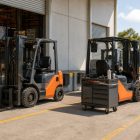
A range of forklift types is available to suit specific tasks and environments. Identifying the correct category ensures you deploy the right equipment hire for your operational requirements.
- Electric Forklift: Ideal for indoor operations, these forklifts produce zero emissions, making them suitable for warehouses and manufacturing plants.
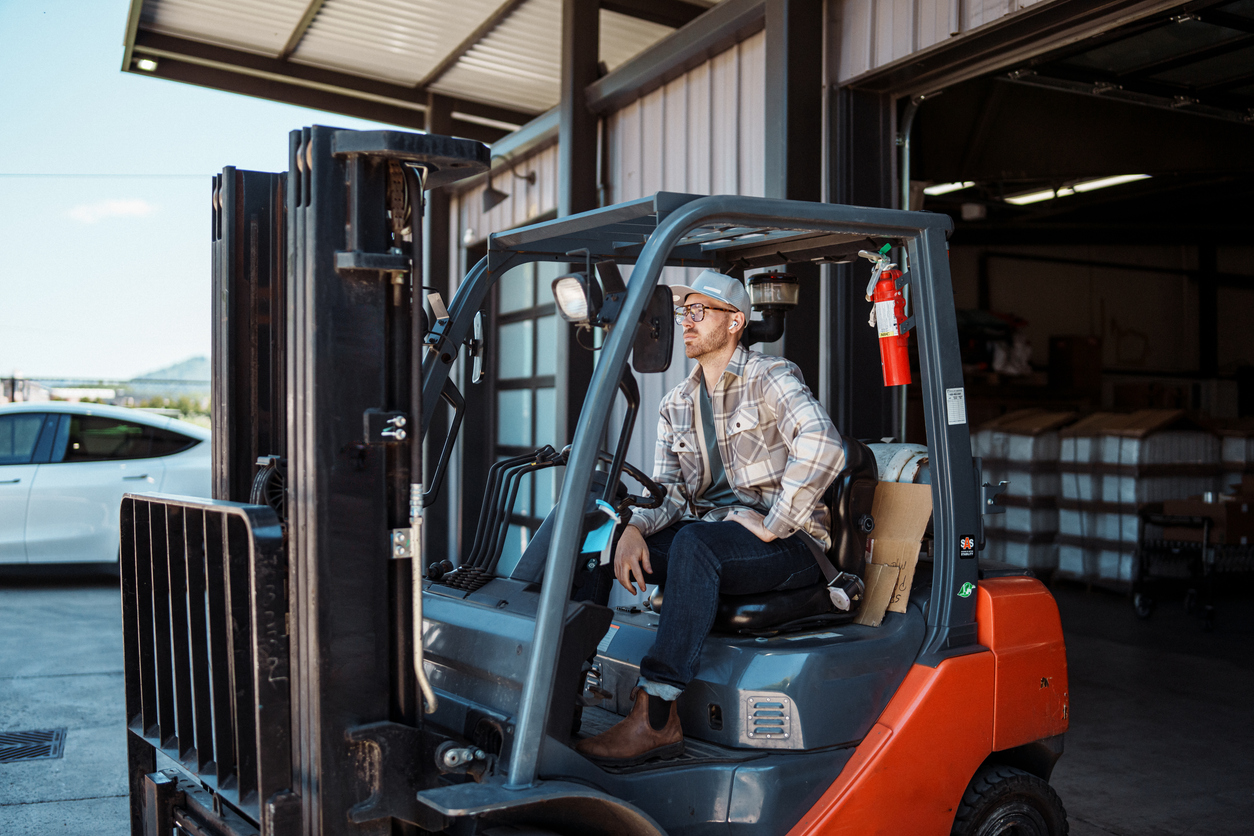
- Diesel Forklifts: More robust than their electric counterparts, diesel forklifts suit outdoor use and heavy-duty tasks where power is essential.
- LPG Forklifts: These versatile machines can be used both indoors and outdoors and offer a balance of power and environmental efficiency.
- Telehandlers: Equipped with an extendable boom, telehandlers can lift loads to great heights, making them well-suited to construction sites.
- Rough Terrain Forklifts: Designed for outdoor construction and off-road applications, these forklifts can navigate uneven surfaces.
Selecting the appropriate forklift type enhances productivity and ensures operational requirements are met. Specialised equipment often delivers measurable improvements in task efficiency and safety.
Typical Costs of Forklift Rentals
Understanding typical rental costs is essential for budgeting and procurement planning. The overview below summarises expected price ranges by hire duration.
- Daily Hire: AUD 150 – 300, depending on the type of forklift and the duration of use.
- Weekly Hire: AUD 700 – 1,500, providing further savings for longer engagements.
- Monthly Hire: AUD 2,000 – 4,500, ideal for extended projects.
These ranges vary according to rental period, equipment specification, and any supplementary services or attachments required. Accurate cost assessment supports effective budgeting and procurement decisions.
Active Forklift offers a range of rental options tailored to clients in New South Wales. Our machines are competitively priced to deliver value across short and long rental periods, positioning us as a reliable partner for material-handling needs.
Essential Maintenance Practices
Regular maintenance is critical to the safe, efficient operation of rented forklifts. Consistent servicing preserves equipment life, reduces downtime, and helps maintain compliance with safety standards.
Key maintenance practices include:
- Routine Inspection: Regular checks on forklift components, including brakes, steering, and hydraulic systems, prevent malfunctions.
- Scheduled Maintenance: Following manufacturer guidelines for periodic servicing helps maintain performance standards.
- Prompt Fault Reporting: Operators should be trained to immediately report any issues, allowing for timely repairs and reducing the risk of operating defective equipment.
Implementing these practices maintains fleet reliability and supports on-site safety compliance. Consistent application reduces operational risk and unplanned costs.
Operator Training and Compliance
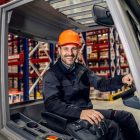
In New South Wales, forklift operator training is a regulatory requirement. Certification verifies that operators have the skills and knowledge to operate forklifts safely and in accordance with applicable standards.
- Certification Requirements: Operators must be certified in accordance with local laws, ensuring adherence to safety standards.
- Safety Protocols: Comprehensive training covers how to navigate potential hazards and implement safety measures when using forklifts.
- Training Programs: Available options may include both classroom instruction and hands-on experience, designed to cater to different learning styles.
Active Forklift provides advisory services on appropriate training programs to help ensure your team meets compliance standards and operates safely under workplace regulations.
Adequate training and a clear understanding of compliance requirements improve workplace safety and increase the efficiency of material-handling operations.
Conclusion
Utilising forklift rental and forklift services in New South Wales gives businesses flexible, cost-effective material-handling solutions that adapt to operational demands. By understanding costs, equipment types, and maintenance obligations, companies can optimise performance while maintaining compliance and safety. For tailored solutions and expert advice on selecting the right rental for your business, explore Active Forklift services today. Embrace the operational benefits of efficient material handling.