Forklift rental services in New South Wales deliver targeted material‑handling solutions for businesses that prefer operational flexibility over capital purchase. This guide summarises available forklift types, applications, typical pricing and leasing models, maintenance provisions and operator‑training obligations. Many organisations encounter difficulty selecting the appropriate equipment, which can reduce productivity and raise costs. A clear understanding of options enables informed decisions that improve both safety and efficiency. The sections below cover forklift types, selection criteria, pricing and leasing, maintenance included with rentals, and operator training and compliance.
This approach enables businesses to avoid the substantial capital expenditure required to acquire such essential equipment.
What Types of Forklifts Are Available for Hire in New South Wales?
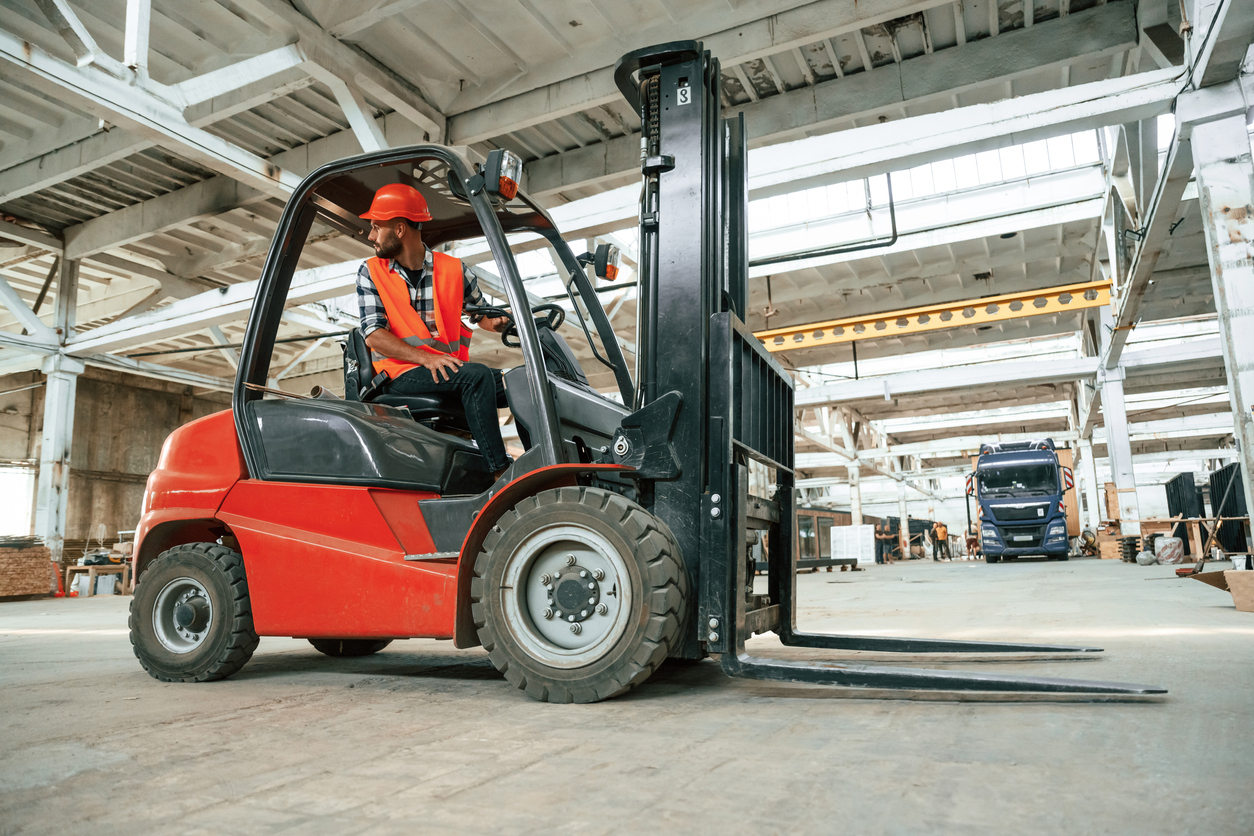
New South Wales rental fleets offer a range of forklifts to meet specific operational requirements. The principal categories are electric, diesel and LPG models, each optimised for particular environments and duties. Recognising these distinctions is essential for organisations seeking to optimise material‑handling workflows.
Electric, Diesel, and LPG Forklift Options Explained
Electric forklifts suit indoor operations: they run quietly and emit no local pollutants, which benefits warehouses and retail settings. Diesel forklifts deliver higher power for outdoor, heavy‑duty tasks such as construction. LPG models provide operational flexibility and are suitable for both indoor and outdoor use where ventilation and emissions control permit. Each option presents distinct performance characteristics and operational trade‑offs that should guide selection.
Selecting the Right Forklift for Industrial Applications in NSW
Choosing the right forklift requires assessing load capacity, lift height and the operating environment. Certain models are tailored for narrow aisles, others for rough terrain or high stacking. For example, rough‑terrain forklifts are engineered for uneven outdoor surfaces, while telehandlers extend reach and lift capability for elevated materials handling. Evaluating these factors ensures a selection that supports productivity and safety.
How Do Forklift Rental Pricing and Leasing Options Work in NSW?
Rental pricing in New South Wales varies by forklift type, rental term and any ancillary services provided. Rates are commonly offered on a daily, weekly or monthly basis to accommodate differing project durations. Key cost drivers include equipment specifications, maintenance responsibilities and optional attachments or features.
Active Forklift provides competitive rental plans and a selection of electric, diesel and LPG models configurable to client requirements. This flexibility helps organisations manage costs while maintaining access to appropriate equipment.
Maintenance Responsibilities During Rental Periods in NSW
While on hire, lessees are normally responsible for daily pre‑use checks to confirm safe working conditions. Typical checks include fluid levels, tyre condition and general functionality. Prompt reporting of faults is critical to preventing escalation and keeping the equipment operational.
What Maintenance and Repair Services Are Included with Forklift Rentals?
Maintenance and repair provisions are central to safe, reliable rental operations. Rental agreements frequently include routine maintenance such as scheduled inspections, servicing and necessary repairs. Clarifying the scope of these services allows businesses to plan for downtime and preserve operational continuity.
Scheduling and Scope of Forklift Repair Services
Scheduled maintenance tasks and service intervals are usually specified in the rental contract. Common items include brake inspections, hydraulic system assessments and battery servicing for electric units. Adherence to these procedures helps maintain asset performance and minimise unexpected outages.
How Is Operator Training and Safety Compliance Managed for Forklift Rentals?
Operator training and regulatory compliance are integral parts of responsible rental provision. Proper training reduces incident risk and supports efficient operations. Businesses must ensure operators hold the requisite qualifications and that training meets applicable standards.
Certification Requirements for Forklift Operators in New South Wales
In New South Wales, operators must hold a valid forklift licence obtained by completing an accredited training programme covering safe operating techniques, equipment handling and emergency procedures. The licence confirms that operators possess the knowledge and skills required to operate forklifts safely and competently.
Conclusion
Utilising forklift rental services in New South Wales offers a cost‑effective alternative to ownership, enabling enterprises to scale equipment use according to demand while protecting capital. By reviewing available forklift types, pricing and maintenance arrangements, organisations can select solutions aligned with their operational requirements. Ensuring operator training and regulatory compliance further strengthens workplace safety and productivity. Explore our range of rental options today to identify the forklift best suited to your business needs.