Deciding whether to hire or buy a forklift is a significant consideration for many Australian businesses, influenced by various cost factors, operational needs, and market conditions. This guide aims to clarify these important aspects, helping you make informed decisions tailored to your business requirements. Understanding the intricacies of forklift hire versus purchasing will empower you to choose the most cost-effective and operationally beneficial option. We will delve into key financial differences, practical considerations for various forklift types, financing options, and compliance with Australian regulations. Our evaluation covers critical areas, including maintenance expectations, safety standards, and emerging market trends impacting forklift decisions in 2026.
What are the key cost differences between forklift hire and buying in Australia?
When considering forklift hire versus buying, several key cost differences emerge that can significantly impact a business’s financial health. The immediate financial commitments associated with either option can differ widely. Hiring typically involves lower upfront costs, while purchasing incurs significant acquisition expenses. Additionally, ongoing operational costs vary based on the nature of the arrangement and the specific needs of the business.
How do forklift rental prices compare to purchase costs in Australia?
Rental prices for forklifts in Australia generally range from $150 to $700 per month based on the type and specifications of the equipment. For electric forklifts, rental prices may start around $300 monthly, while more robust diesel variants can range up to $600. In contrast, purchasing a forklift can cost anywhere from $15,000 to $80,000 upfront, depending on make, model, and additional features, leading to vastly different cash flow implications. Understanding these figures helps companies determine which option aligns best with their operational budget.
What operational and maintenance costs affect hiring versus owning?
The operational costs associated with forklift hire and ownership can differ considerably and often factor into the decision-making process. For owned forklifts, businesses must budget for regular maintenance costs, which can average $1,500 to $3,000 annually, including routine servicing, repairs, and parts replacement. Moreover, operator training must also be considered, which can add another $500 or more per employee. In contrast, hiring typically includes maintenance as part of the contract, potentially reducing overall responsibility and unforeseen costs tied to operations. By evaluating these costs, businesses can assess their overall financial commitments to the chosen option.
Which forklift types and models are best suited for hire or purchase in Australian industries?
The selection of the right forklift type is crucial based on operational needs and budget considerations. Electric, diesel, and counterbalance forklifts each present distinct advantages and limitations in terms of efficiency, operational costs, and suitability for various industries.
What are the pros and cons of electric, diesel, and counterbalance forklifts for hire and buying?
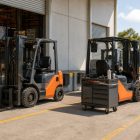
Electric forklifts are known for their efficiency and lower operating costs, making them ideal for indoor use and high-cycle operations. They produce zero emissions, which contributes to a cleaner work environment. However, they often come with higher initial purchase costs and require investment in battery charging infrastructure. Diesel forklifts, on the other hand, are robust and suitable for heavy-duty applications, typically offering better lifting capacity but incurring higher fuel and maintenance costs. Counterbalance forklifts provide flexibility with their ability to maneuver in tight spaces and perform various tasks, though they may not be as efficient as dedicated electric machines for certain applications.
How do forklift types influence cost-effectiveness in the Australian market?
The choice between different forklift types significantly impacts their cost-effectiveness. Businesses must consider the specific operational needs, such as the types of materials handled and the expected usage frequency. Electric forklifts may appear more expensive upfront but can lead to lower operational costs over time through savings on fuel and maintenance. Diesel models may offer initial affordability but require consideration of ongoing fuel and service commitments. Understanding these relationships helps businesses align their forklift investments with operational efficiency and profitability.
What are the financing and tax considerations for buying versus hiring forklifts in Australia?
Financing options play a critical role in deciding whether to buy or hire a forklift. Businesses must understand the available financing methods and how they impact cash flow and tax deductions.
Which financing options and government incentives apply to forklift purchases?
Various financing solutions are available for companies looking to buy forklifts, including traditional loans, leasing options, and government incentives. Loans may be offered through banks, allowing businesses to spread the cost over several years with manageable installments. The Australian government occasionally provides grants and subsidies aimed at supporting businesses in upgrading their equipment, which can mitigate the total cost of ownership. These financial considerations significantly influence purchasing decisions.
How does hire impact tax deductions and cash flow management?
Hiring a forklift can present different cash flow management advantages. Rental costs are typically classified as operational expenses, which can be fully deductible on tax returns, lowering overall taxable income. This can provide immediate financial benefits compared to the asset depreciation associated with owned equipment. By analysing these financial impacts, businesses can craft better strategies that align with their fiscal goals and operational efficiency.
How do Australian safety and regulatory standards affect forklift hire and ownership?
Compliance with Australian safety and regulatory standards is paramount in the operation of forklifts. The regulations govern the operational practices and safety features required for effective forklift usage in diverse environments.
What compliance requirements must be met by forklift operators and owners in Australia?
In Australia, all forklift operators must comply with both national and state-specific regulations, including the need for proper licensure, safety training, and adherence to operational protocols. This includes undergoing training that is recognised by Safe Work Australia, ensuring that all operators understand safe practices, potential hazards, and emergency procedures. Failure to meet these requirements could lead to legal repercussions and increased liability for businesses.
Are there regulatory differences between hired and purchased forklifts?
There can also be disparities in regulation compliance between hired and owned forklifts. Hiring companies usually assume responsibility for ensuring their equipment meets safety standards, while business owners are accountable for maintaining compliance on purchased equipment. This aspect can affect the operational decision as hiring may simplify compliance management, reducing the burden on business owners.
What maintenance and operational considerations differ between hired and owned forklifts?
When choosing between hiring and owning forklifts, considerations surrounding maintenance and operation play a vital role in long-term investment decisions.
Who is responsible for forklift maintenance during hire contracts in Australia?
In hired contracts, the rental company is generally responsible for maintenance and repairs as part of their service agreement. This relieves businesses of the burden of unforeseen expenses and responsibilities associated with owning equipment. Regular inspections and necessary maintenance are typically covered, providing operational peace of mind while ensuring that the machinery remains in peak working condition.
What are typical maintenance cost expectations for owned forklifts?
For owned forklifts, companies should budget for regular maintenance to ensure their equipment remains efficient and safe. On average, businesses can expect to invest between $1,500 and $3,000 annually for essential upkeep, which might encompass servicing, inspections, and necessary parts replacements. These recurring costs should influence purchasing decisions and be factored into overall long-term operational budgets.
When is forklift hire more advantageous than buying for Australian businesses?
In certain circumstances, hiring a forklift presents a more favourable option compared to purchasing, particularly in regions or industries with fluctuating demands.
How do short-term hire options provide operational flexibility?
Short-term rental strategies allow businesses to respond flexibly to temporary demand spikes without the obligation of owning equipment that may not be used consistently. This approach enables companies to allocate resources effectively and adjust their operations according to immediate project needs. Furthermore, when operational demands stabilise, firms can reassess their long-term equipment strategy based on current business trajectories.
What business scenarios justify forklift purchase over rental?
For businesses with consistent and high usage patterns, purchasing a forklift may be the most financially prudent option. Companies operating in industries that demand continuous material handling are likely to find ownership more cost-effective in the long run, given the potential for reduced operational costs once the initial investment is recovered. Recognising these scenarios helps businesses align their costs with their operational realities and strategise effectively.
Where can businesses find reliable forklift hire and purchase services in Australia?
It’s essential for companies to pinpoint reputable providers when exploring forklift hire or purchase options. Assessing supplier reliability ensures businesses consistently receive quality equipment and service.
Who are the leading forklift rental companies and suppliers in Australia?
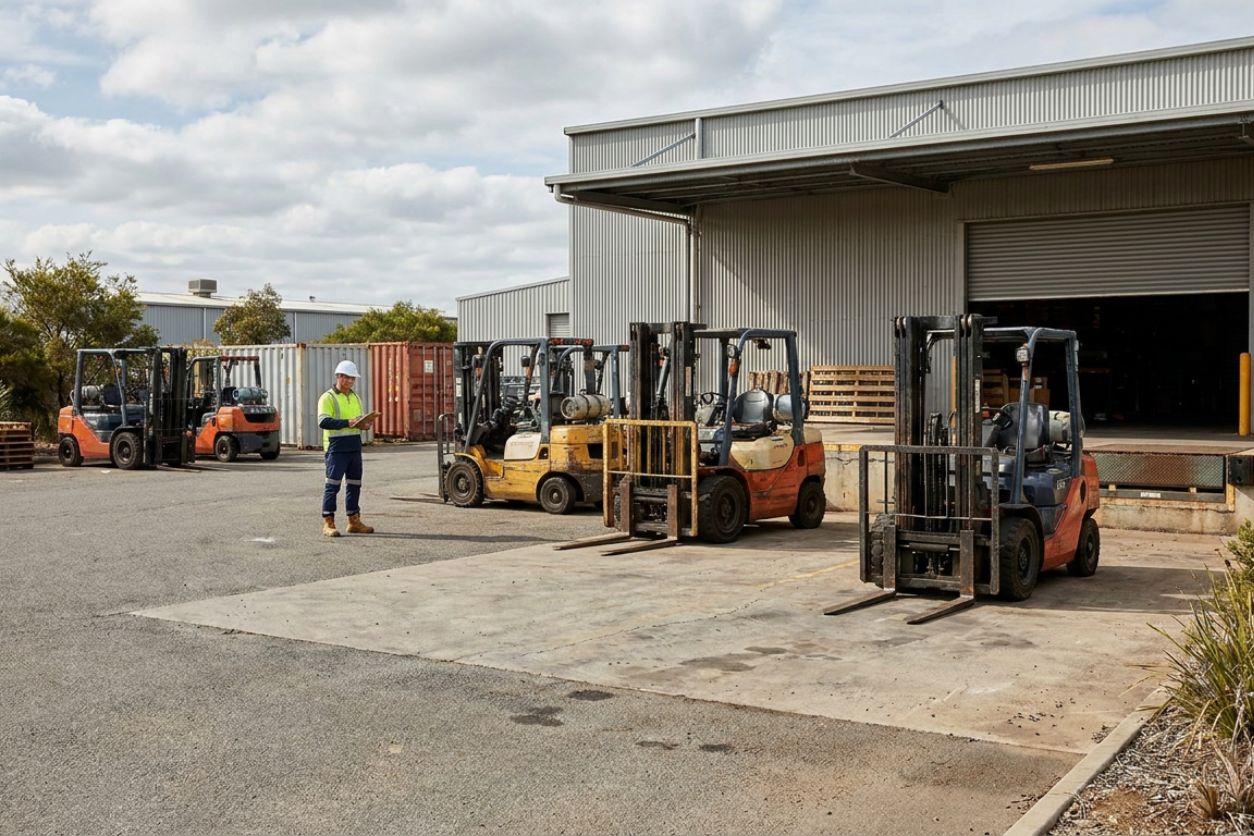
Several companies dominate the Australian forklift market, known for providing diverse rental options and competitive pricing. These companies often offer different types of forklifts, including electric, diesel, and gas-powered models, along with additional attachments to suit various operational needs. Investigating and comparing service quality will enable businesses to make well-informed supplier selections.
What should be considered when selecting a forklift hire company or seller?
- Reputation and Reviews: Researching previous customer experiences can provide insights into reliability.
- Cost-Effectiveness: Ensuring services align with your budget without compromising on quality is crucial.
- Service Agreements and Warranties: Understanding the terms of service and warranties can protect against unexpected repair costs.
Taking these factors into account can lead to better investment choices and more satisfactory operational outcomes.
What recent trends and forecasts impact forklift hire and buying decisions in Australia?
Current market conditions and future forecasts provide an essential context for evaluating forklift hire versus purchasing decisions. Staying informed of emerging trends enables Australian businesses to adapt their strategies effectively.
How has inflation and market fluctuation affected forklift rental and purchase costs in 2026?
As of 2026, inflation has significantly influenced the pricing dynamics of both forklift hire and purchase options. Equipment costs have risen due to increasing demand and global supply chain disruptions, prompting many businesses to reassess their equipment acquisition strategies. These factors compel companies to keep abreast of changes in market conditions when deciding whether to hire or purchase forklifts.
What future operational shifts are expected in the Australian forklift industry?
The Australian forklift industry must also prepare for trends likely to reshape operational practices. Emerging technologies, such as increased automation and connectivity through telematics, promise to enhance forklift operations’ efficiency and safety. Additionally, shifts towards sustainable practices may drive the demand for innovative electric solutions, ultimately influencing hiring and purchasing choices. Businesses that proactively adapt to these trends will position themselves advantageously as the industry evolves.