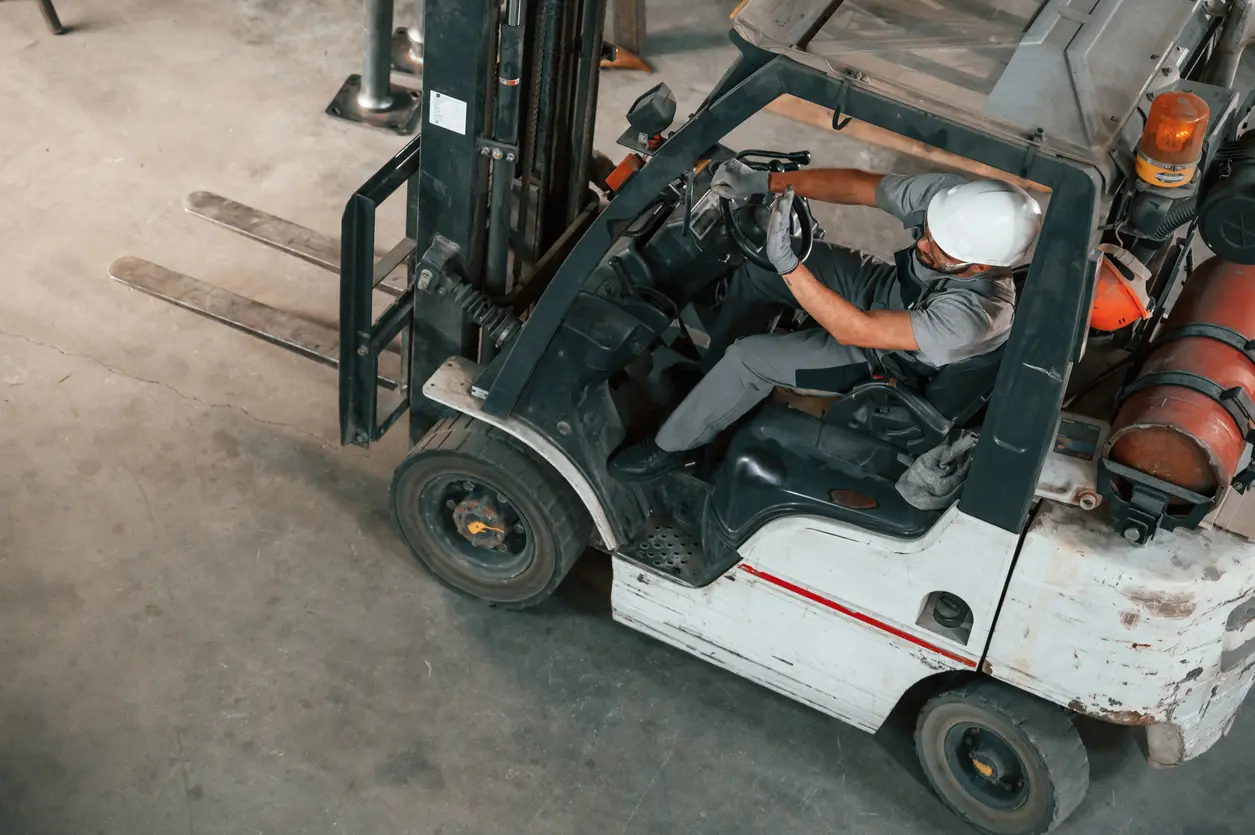
Maximum forklift performance depends on factory-trained technicians handling repairs across LPG, diesel, and electric fleets. Active Forklifts, backed by over 100 years of combined industry experience, delivers preventative maintenance and urgent repairs for all makes and models. Fast, on-site support minimises downtime and keeps your Sydney operation running at full capacity.
Key Takeaways
- Active Forklifts (Australia) Pty Ltd services all makes and models, including specialty and heavy capacity elevator trucks.
- Annual inspections and flexible scheduled maintenance plans prevent downtime and protect equipment performance across operations.
- Emergency repairs and preventative maintenance programs minimise productivity loss when forklift equipment fails unexpectedly.
- Full-service solutions streamline repair processes, consolidate maintenance costs, and standardise fleet operations for maximum efficiency.
Why Does Forklift Downtime Threaten Your Bottom Line?
Every minute a forklift sits idle drains productivity and eats straight into your bottom line. Warehouses, construction sites, and logistics hubs across Sydney depend on elevator trucks running without interruption. Stop that motion, and the whole operation stalls behind it.
A single breakdown rarely stays contained. Pallets pile up, dock schedules slip, and staff wait around with nothing to move. Beyond the productivity hit, an unexpected failure creates real safety risks for anyone working near the stalled machine or scrambling to work around it.
What Causes Most Unplanned Forklift Breakdowns?
Wear and tear on hydraulics, brakes, and steering components account for the bulk of sudden failures. Neglected fluid checks and skipped inspections let small issues turn into major stoppages. Age and heavy-duty use accelerate the process further, especially on equipment running multiple shifts.
Facility managers who treat downtime as a “when,” not “if,” problem stay ahead of it. The fix isn’t complicated, it comes down to pairing fast forklift repair and servicing options with a maintenance routine that catches problems early.
- Emergency repair access to get a failed unit moving again fast
- Scheduled maintenance that catches wear before it causes a breakdown
- Trained technician response to reduce guesswork and repeat failures
Treat these two elements as a package, not a backup plan. Reactive repairs alone leave you exposed to the next stoppage. Combine emergency support with consistent servicing, and downtime stops being a recurring threat to your operation.
What Are the Warning Signs of Forklift Trouble?
Unusual noises, slow hydraulic response, and fluid leaks signal a forklift heading toward failure. Ignoring these signs is a costly mistake. Early detection prevents minor issues from escalating into major breakdowns, and catching a problem at the source saves you both time and repair costs down the track.
Your fleet doesn’t send one obvious warning, it sends several small ones. Watching for these signs keeps your operation ahead of a shutdown rather than reacting to one.
What signs mean a forklift needs urgent repair?
Grinding gears, warning lights, and reduced lifting power all point to a machine that needs attention now, not next week. When you’re searching for urgent support, you typically need fast, reliable service that gets equipment back into working condition without dragging your schedule out. Left unaddressed, these faults don’t stay small, they compound.
Why does a small fault turn into a costly breakdown?
A minor fault ignored today becomes tomorrow’s downtime. Downtime disrupts your operations, delays schedules, and costs money in ways that ripple beyond the forklift itself, missed dispatches, idle staff, frustrated clients.
Common red flags worth acting on immediately include:
- Unusual noises during lifting, lowering, or steering
- Fluid leaks pooling beneath the mast or engine bay
- Slower response times on hydraulic controls
- Warning lights or dashboard alerts that won’t clear
- Visible wear on tires, forks, or chains
Forklift repair and servicing options exist precisely to catch these issues before they sideline your fleet. Expert technicians who work across all makes and models, from electric units to large-capacity industrial machines, can spot the difference between routine wear and a developing fault. Bringing in that expertise early keeps small problems from turning into expensive shutdowns.
What Forklift Repair and Servicing Options Are Available?
Three service types keep your fleet operational: routine servicing, emergency repairs, and preventative maintenance, all delivered under one provider. That single-provider structure matters. Juggling multiple contractors for different forklift repair and servicing options wastes time and creates gaps in your maintenance records. Gaps that show up later as unplanned downtime.
Downtime on a warehouse floor rarely announces itself. A hydraulic leak or a worn mast chain can sideline a machine for days if nobody catches it early. Routine servicing exists to prevent that scenario, catching wear before it becomes a failure. Emergency repairs handle the breakdowns that slip through anyway. Preventative maintenance ties both together, extending the working life of every unit in your fleet.
What types of forklifts can be serviced?
Technicians work across all makes and models, spanning electric forklifts through to large-capacity industrial machines. That breadth means you don’t need a separate specialist for each class of equipment in your yard.
Fleet composition varies widely across Sydney warehouses and logistics sites, and your service partner should match that variety:
- Electric forklifts for indoor, low-emission operations
- Diesel and LPG models for heavy-duty outdoor and high-throughput tasks
- All-terrain forklifts for rugged or uneven ground
Why does regular servicing matter for peak equipment condition?
Reliable servicing keeps your equipment in peak condition through consistent, high-quality maintenance work. Skipping intervals doesn’t save money. It defers cost, and the deferred bill usually arrives as an expensive breakdown at the worst possible moment.
Peak condition isn’t a one-time achievement, either. It’s the result of scheduled checks, correct parts, and technicians who know the difference between a minor fault and a developing failure. Facility managers who treat servicing as routine, not reactive, protect uptime and extend equipment life across the whole fleet.
How Fast Can Emergency Repairs Restore Operations?
Emergency repair services get your forklift back in action fast, minimising the disruption a breakdown causes to your warehouse floor. A stalled elevator truck doesn’t just sit idle. It stalls loading docks, delays dispatch, and puts pressure on every downstream task. That’s why immediate assistance matters more than a next-week appointment.
Downtime costs compound quickly when a forklift sits broken in the middle of a shift. Expert mechanics who service all makes. Models, including speciality and heavy-capacity units, reduce the risk of extended downtime because they don’t need to send your machine elsewhere for specialised work. A single call should cover your entire fleet, regardless of brand or class.
What should you expect from a responsive service team?
A dedicated service team delivers responsive repairs alongside planned maintenance and complete fleet support, so you’re never juggling multiple providers. This structure works best across a wide service area, where technicians can reach you without long delays. You get one point of contact instead of a patchwork of contractors.
Active Forklifts operates out of Fairfield East, NSW, positioning technicians to respond on-site across the surrounding region. That local base matters when every hour of downtime translates into missed dispatch windows.
Why does response speed vary between providers?
Response speed depends on how a provider structures its forklift servicing options. Whether repairs are reactive-only or built around a responsive team model. Look for these markers when comparing providers:
- A dedicated service team, not a rotating pool of subcontractors
- Coverage across all makes, models, and capacity classes
- Immediate-assistance protocols for emergency callouts
- Fleet-wide support rather than single-machine fixes
Choosing a provider with these traits keeps unplanned breakdowns from turning into extended operational losses.
Why Does Preventative Maintenance Protect Peak Performance?
Scheduled servicing keeps your fleet in peak condition through regular, high-quality maintenance intervals. Skipping those intervals invites breakdowns at the worst possible moment, mid-shift, mid-pallet-run, mid-deadline. Downtime on your loading dock costs far more than the maintenance appointment ever would.
Choosing the right forklift repair and servicing options determines whether your equipment runs reliably for years or fails you during peak demand. A structured maintenance plan does more than fix problems after they appear. It catches wear before it turns into a costly breakdown, protecting both your equipment and your delivery timelines.
How does certified servicing protect your fleet?
Certified technicians perform maintenance in accordance with manufacturer-specific guidelines, not guesswork. That distinction matters. Manufacturer-aligned servicing protects fleet reliability because every task follows the specifications the equipment was actually built to meet.
Routine maintenance completed at recommended intervals does two jobs at once. It keeps your forklifts performing at their rated capacity, and it protects your warranty coverage. Coverage you lose the moment servicing lapses or gets handled off-spec.
What should a maintenance program cover?
A dependable program addresses the essentials your fleet depends on daily:
- Manufacturer-specified service intervals, tracked and scheduled in advance
- Certified technician inspections across engine, hydraulics, and safety systems
- Documentation that supports ongoing warranty compliance
- Consistent quality control across every make and model in your fleet
Experience backs up the approach. A team built on more than 100 years of combined industry experience understands how forklifts fail, why they fail, and how to stop it before it happens. That depth of knowledge translates into servicing decisions that keep your warehouse moving instead of waiting on a tow truck.
Which Technicians Should Service Your Forklift Fleet?
Qualified technicians experienced across all makes. Models keep your fleet running, whether you operate compact electric units or large-capacity industrial machines. Fleet-wide coverage matters most for warehouse managers juggling mixed equipment lists. A technician who only knows one brand leaves gaps, and gaps turn into unplanned downtime.
Choosing a provider means weighing reputation against convenience. Forklift repair and servicing options built on a track record of quality sales. Competitive rates give you confidence you’re not overpaying for underwhelming work. Look for a provider whose history shows consistent, reliable service rather than a single good review.
Does it matter if the technician uses genuine parts?
Yes, authorised service centers stocking parts for major brands give you assurance that repairs use genuine components, not aftermarket substitutes that wear out faster. Genuine parts protect your equipment’s long-term performance and reduce the risk of repeat breakdowns. Ask any prospective provider directly which brands they’re authorised to service.
Is it better to use one provider for everything?
Consolidating your forklift needs under a single provider simplifies fleet management significantly. Instead of juggling multiple contacts for sales, servicing, and emergency repairs, you deal with one team that already knows your equipment history.
When vetting technicians, prioritise these factors:
- Brand breadth — coverage across electric, LPG, and diesel models, not just one type
- Authorisation status — confirmed parts dealer relationships with recognised manufacturers
- Track record — a demonstrable history of quality sales and servicing, not just promises
- Single-provider convenience — one contact for maintenance, repairs, and future fleet needs
Fleet managers who consolidate these factors under one trusted provider spend less time coordinating and more time keeping operations moving. That’s the difference reliability makes to your bottom line.
How Do You Choose the Right Repair Partner?
Track record matters more than a shiny brochure. Weigh a provider’s responsiveness, transparency, and value before signing any service agreement. Your fleet’s uptime depends on the partner you pick today, not the promises made during the sales pitch.
Start by asking how a provider handles cost visibility. A structured maintenance partnership centralises cost tracking and standardises repair processes across your entire fleet. You’re never guessing where budget dollars go. That kind of transparency turns scattered invoices into a single, manageable picture of fleet health.
What role does data play in choosing a service provider?
Fleet management and asset tracking data separate reactive repair shops from strategic maintenance partners. Providers that monitor vehicle utilisation and service history use that data to sharpen purchase planning and maintenance scheduling over time. You benefit directly: fewer surprise breakdowns, better-timed replacements, and equipment decisions grounded in actual usage patterns rather than guesswork.
What should Sydney operators look for in a local provider?
Dependability and fair pricing top the list for any warehouse manager comparing forklift repair and servicing options in Sydney. Skip providers who can’t clearly explain turnaround times or pricing structures.
Use this quick checklist when evaluating a potential partner:
- Does the provider track maintenance costs and history in one accessible system?
- Can technicians service your specific makes and models, including electric and IC fleets?
- Is pricing transparent, with no hidden call-out fees?
- Does the team respond quickly when equipment goes down?
Active Forklifts positions itself as that direct answer for Sydney operators who need dependable, affordable service without the runaround. Choosing a partner isn’t just about fixing today’s fault code. It’s about building a maintenance relationship that keeps your fleet productive for years.
What Should You Do Before the Next Breakdown?
Planning beats panic every time a forklift stalls mid-shift. Customised maintenance programs and on-site repair services keep unplanned downtime. Costly breakdowns off your schedule, protecting throughput before a fault ever appears. Waiting until a mast jams or hydraulics fail costs you far more than a scheduled check-up ever will.
How do you build a breakdown-proof maintenance plan?
Start with a service partner who understands your fleet’s daily demands, not just its make and model. A regional base matters here, working with a provider grounded in Fairfield East, NSW gives you a fixed point of contact for scheduling, parts, and support across Sydney and beyond. That local anchor turns reactive fixes into a repeatable forklift repair and servicing routine.
A well-maintained fleet needs to perform under pressure, whether your crew is unloading containers, stocking racking, or running elevated platform work. Machines left unchecked between big jobs are the ones that fail at the worst possible moment.
Before your next breakdown risk creeps up, review these basics:
- Confirm service intervals match manufacturer guidelines for each unit in your fleet.
- Keep records of prior repairs to spot recurring faults early.
- Identify one provider who can handle servicing, repairs, and equipment needs together.
Why consolidate servicing with one provider?
Juggling multiple vendors for repairs, parts, and hire creates gaps in accountability. Consolidating everything with one trusted provider simplifies planning. Gives facility managers a single point of contact instead of a rotating cast of technicians.
Fewer handoffs mean fewer surprises. When one provider knows your fleet history, response times shrink and small issues get flagged before they become expensive failures.
FAQ
What causes most forklift breakdowns?
Wear on hydraulics, brakes, and steering components drives most sudden failures. Neglected fluid checks, skipped inspections, and heavy multi-shift use accelerate small issues into major stoppages.
What warning signs indicate a forklift needs urgent repair?
Grinding gears, warning lights, reduced lifting power, unusual noises, and fluid leaks all signal trouble. These faults require immediate attention before they compound into costly downtime.
How does Active Forklifts help maximise forklift performance?
Active Forklifts, located in Fairfield East, NSW, combines factory-trained technicians with over 100 years of combined experience to deliver preventative maintenance and urgent repairs. Fast, on-site support minimises downtime for Sydney operations.
Conclusion
In closing, maximising forklift performance requires a partnership built on expertise, preventative care, and responsive support. Active Forklifts delivers factory-trained technicians, comprehensive servicing across all makes and models, and practical guidance grounded in decades of industry experience. By prioritising maintenance and aligning equipment to your operational demands, you protect your investment, minimise downtime, and sustain the efficiency your business depends on. Trust a partner committed to keeping your operations moving.