Construction projects demand efficiency. Hiring forklifts increases productivity while minimising capital expenditure. This article summarises the main benefits of forklift hire, cost-effectiveness, operational flexibility, and safety, and outlines common forklift types, advantages of telehandler hire, and the importance of maintenance and operator training.
Cost-Effectiveness
Hiring forklifts reduces upfront capital requirements and avoids depreciation and the long-term maintenance burden. Rental contracts often include servicing and technical support, improving total cost-effectiveness for project budgets.
Understanding the cost dynamics helps firms choose options aligned with budget constraints.
Operational Flexibility
Forklift hire supports changing project phases by allowing scalable fleet adjustments and access to current models without long-term ownership. Renting permits specification of site-suitable machines, for example, rough-terrain units or telehandlers, to optimise resources and timelines.
Safety Considerations
Safety is fundamental. Reputable forklift rental providers maintain equipment to regulatory standards, perform pre-operational checks, and often offer operator training. Regular maintenance and inspections preserve reliability and reduce downtime from mechanical failure, protecting personnel and project momentum.
Which Types of Forklifts Optimise Construction Project Efficiency?
Selecting the correct forklift type is essential. Common models and their typical uses include:
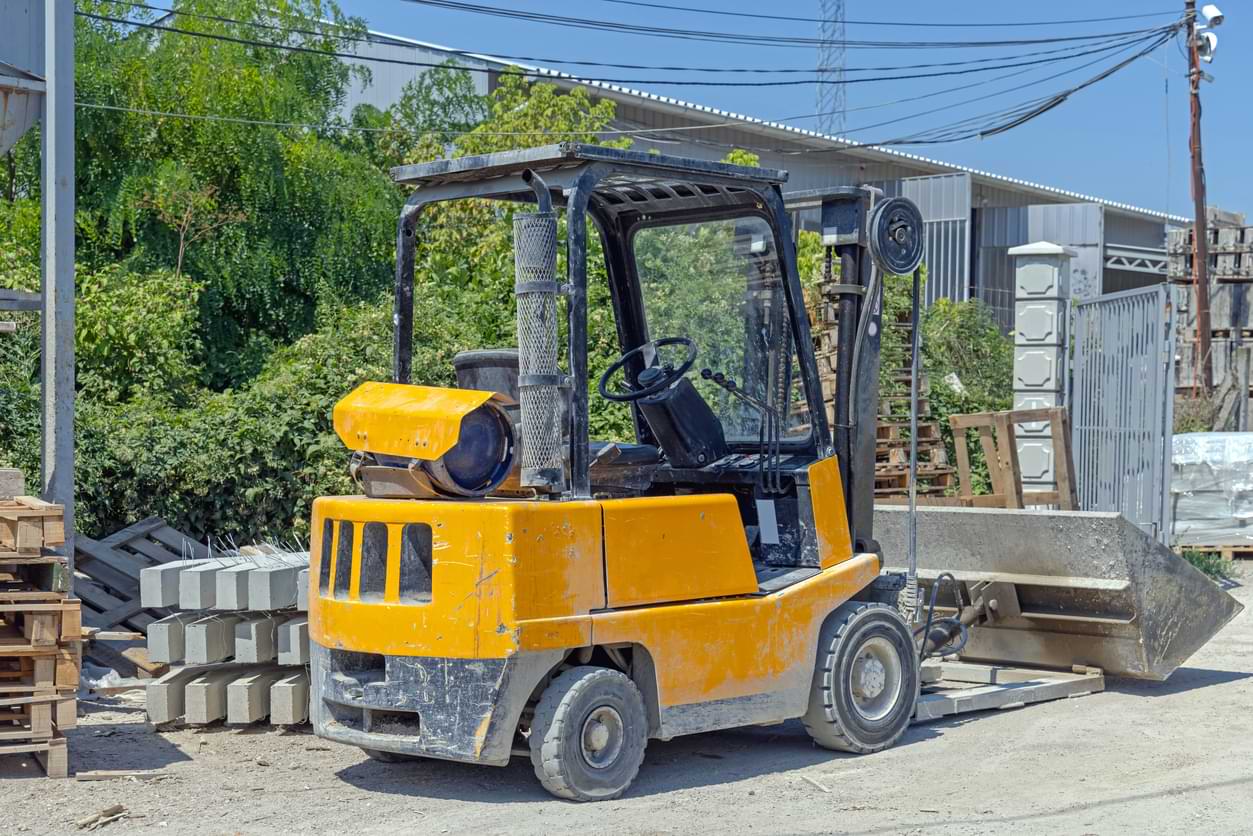
- Rough Terrain Forklifts: Built for outdoor sites, they handle uneven ground and heavy loads.
- Telehandlers: Combine reach and lifting height with attachment flexibility for varied tasks.
- Electric Forklifts: Quiet, zero-emission option for indoor and enclosed environments.
- Diesel Forklifts: Powerful and durable for heavy-duty outdoor applications.
Matching a model’s capability to site demands ensures safer, faster material handling.
What Are the Benefits of Telehandler Rental for Construction?
Telehandlers reduce the need for multiple machines by combining reach and lift with attachment versatility. Key advantages include:
- Versatility: Compatible with forks, buckets, winches, and other attachments for many tasks.
- Reduced Need for Cranes: Often replaces cranes for material placement at height, saving time and cost.
- Improved Productivity: Efficient movement of materials enhances overall project throughput.
These points illustrate why telehandler hire is a practical efficiency option.
How Do Counterbalance and Reach Trucks Support Heavy Equipment Needs?
Counterbalance and reach trucks serve complementary roles in material handling.
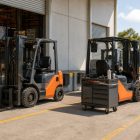
- Counterbalance Forklifts: Stable and capable for heavy lifts, suitable for indoor and outdoor use in tighter spaces.
- Reach Trucks: Designed for narrow aisles and high shelving in warehouse-type environments.
Both provide reliable support for heavy lifting and material transport on projects.
How Do Flexible Hire Terms Enhance Construction Project Planning?
Flexible hire terms allow rapid adjustment to changing requirements without long-term financial exposure. Options include short-term rentals for immediate needs, long-term agreements for ongoing work, and rapid fleet adjustments to match demand.
What Factors Influence Forklift Rental Pricing and Contracts?
Key factors affecting pricing and contracts include rental duration, forklift type and capacity, and included services such as maintenance, insurance, and on-site support. Awareness of these elements helps negotiate terms that fit project budgets.
How Does Forklift Maintenance Service Ensure Safety and Reliability During Hire?
Routine inspections and scheduled servicing identify faults early and ensure equipment performs as intended. Maintenance programmes typically cover routine checks, safety-feature verification, and measures that reduce downtime and protect productivity.
What are the Best Practices for Forklift Maintenance on Construction Sites?
Adopt a simple, consistent maintenance regime: regular scheduled servicing, daily pre-use inspections, and operator awareness of basic maintenance tasks. These practices extend equipment life and reduce safety risks.
How Does Regular Inspection Minimise Downtime and Maximise Efficiency?
Regular inspections catch issues before they escalate, maintain peak equipment performance, and ensure safety features are functional. Prioritising inspections helps keep projects on schedule and within budget.
Why Is Certified Operator Training Essential for Construction Forklift Hire?
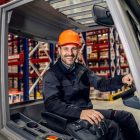
Certified training improves safety, ensures regulatory compliance, and raises operational efficiency. Prioritising certified instruction strengthens site safety and reduces avoidable downtime.
Conclusion
Forklift hire delivers measurable benefits: lower capital outlay, operational flexibility, and improved site safety. By selecting appropriate equipment, insisting on maintenance and training, and choosing flexible hire terms, construction managers can optimise efficiency and support timely project completion.