Selecting the right equipment is one of the most important decisions for any construction project, as it directly influences productivity, safety, and overall project efficiency. From transporting building materials and equipment to loading and unloading deliveries, forklifts play a critical role in keeping construction sites operating smoothly. However, purchasing equipment outright is not always practical, particularly for short-term projects or businesses experiencing fluctuating workloads. This is where short-term forklift hire offers a flexible and cost-effective solution.
By hiring forklifts as needed, construction companies can access modern, reliable equipment without the significant capital investment associated with ownership. Understanding the factors that influence rental rates, equipment selection and maintenance responsibilities can help businesses maximise value while minimising downtime. This article explores the key considerations surrounding short-term forklift hire, including rental rates, maintenance solutions, and the key factors to consider for construction environments, helping project managers make informed decisions that support successful project delivery.
Reliable Rental Rates
An accurate understanding of forklift rental rates is essential for project budgeting and schedule control. Costs vary by forklift model, hire duration, and any ancillary services. Short-term hire typically carries higher daily rates than longer agreements in exchange for operational flexibility; influencing factors include market demand, equipment specifications, and whether maintenance is included in the contract.
Budgeting for forklift hire starts with a clear definition of project needs and expected duration. Engaging a reputable rental provider clarifies pricing structures and supports transparent commercial terms throughout the hire period. Active Forklift provides comprehensive forklift hire services, including short-term options designed for construction projects to help keep costs predictable and manageable.
Maintenance Solutions
Maintenance is fundamental to the safe, reliable operation of rented forklifts. Knowing the maintenance provisions within the hire agreement ensures compliance with site safety standards and operational continuity. Routine inspections, scheduled servicing, and emergency response form the core of effective maintenance plans.
A rental provider that supplies robust maintenance support reduces downtime from equipment faults. Consistent maintenance extends service life and preserves operational performance on site.
How Are Forklift Maintenance Services Managed During Short-Term Hire?
Maintenance services during short-term hire typically include:
- Routine Inspections: Regular checks ensure the forklift remains operational and safe.
- Scheduled Servicing: Providers often include necessary servicing in rental agreements to maintain performance standards.
- Emergency Support: Quick assistance for any malfunctions helps reduce project delays.
Prioritising maintenance prevents site disruptions and helps maintain a consistent workflow throughout the construction phase.
Key Factors to Consider When Selecting a Forklift Rental Service
Selecting an appropriate forklift rental service requires evaluation of several primary factors:
- Assess Specific Needs: Understanding the requirements based on your construction project allows for tailored equipment choices.
- Budget Constraints: Confirming rental rates and ensuring alignment with your budget is crucial for effective project management.
- Reputable Suppliers: Opt for rental services with positive reviews and a proven track record in the industry to ensure reliability.
Addressing these considerations supports smoother operations and contributes to overall project success.
Which Forklift Types Are Best Suited for Construction Projects?
Different forklift types address distinct construction requirements and enhance operational efficiency:
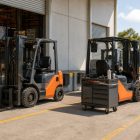
- Counterbalance Forklifts: Ideal for indoor use and paved surfaces, providing stability and strong lift capacity.
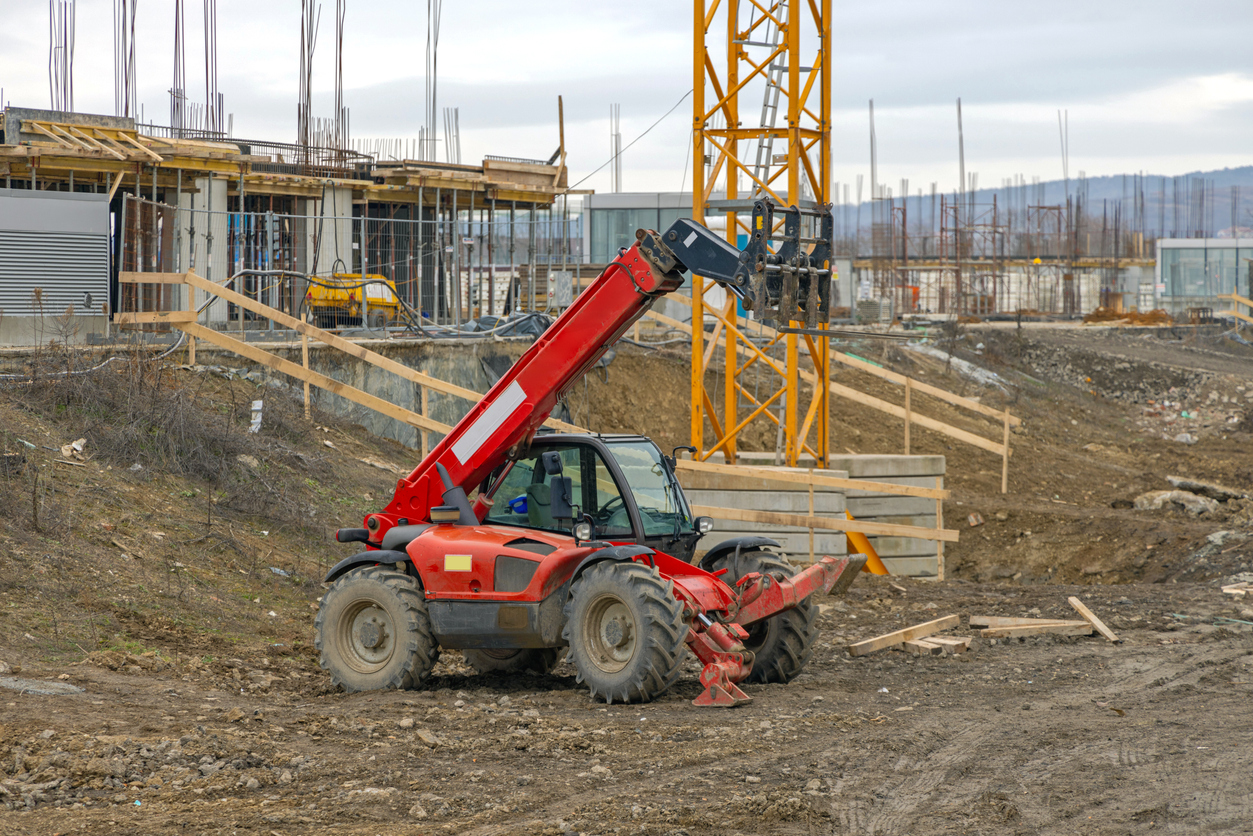
- Telehandlers: Well-suited to multi-storey projects; they lift heavy materials to height and can reduce reliance on cranes.
- Rough Terrain Forklifts: Designed for outdoor construction on uneven ground; they offer enhanced manoeuvrability.
Choosing the correct forklift type for the site environment yields measurable productivity improvements.
What Are the Key Features of Counterbalance Forklifts for Construction?
Counterbalance forklifts offer several operational advantages:
- Stability and Capacity: They lift heavy loads with ease while maintaining balance.
- Versatility: Suitable for various applications both indoors and outdoors.
- Cost-Effectiveness: Hiring instead of purchasing can save capital and free budget for other project areas.
These characteristics make counterbalance forklifts a practical choice for many construction sites.
How Does Telehandler Hire Enhance Construction Site Efficiency?
Telehandlers improve site productivity through operational versatility and adaptable attachments, enabling efficient handling of diverse materials.
- Reduction in Crane Use: They can perform many tasks that would otherwise require cranes, saving costs and space on site.
- Improved Material Handling: Telehandlers let operators move materials quickly and efficiently across the site.
Deploying telehandlers streamlines workflow and supports higher throughput on busy construction sites.
What Are the Typical Pricing Models and Hire Durations for Construction Equipment Leasing?
Rental pricing typically follows three models:
- Hourly Rentals: Best for short-term or occasional use, providing cost flexibility.
- Daily Rentals: More economical for projects that need equipment for a full day.
- Weekly Rentals: Ideal for longer durations where equipment is required continuously.
Understanding these models assists in selecting the most cost-effective hire duration for the project.
| Rental Duration | Cost Implication | Typical Use Case |
|---|---|---|
| Hourly | Higher per hour but flexible | Occasional tasks |
| Daily | More economical for day-long use | Standard workdays |
| Weekly | Significant savings | Extended project periods |
This comparison underscores the importance of selecting a rental model aligned with project requirements and budgetary constraints.
Conclusion
Short-term forklift hire provides construction businesses with the flexibility to access the right equipment when it is needed most, without the financial commitment of purchasing machinery outright. Whether supporting a short-duration project, responding to increased workload demands, or replacing equipment temporarily, forklift rentals offer a practical and cost-effective solution. Understanding how rental rates are calculated, selecting equipment that matches site requirements, and ensuring maintenance obligations are clearly defined can help improve operational efficiency and reduce unnecessary costs. With Active Forklifts, businesses can access reliable forklift hire solutions tailored to their project needs, helping keep construction operations running efficiently and on schedule.
Reliable, well-maintained forklifts not only enhance productivity but also contribute to a safer working environment by reducing the risk of equipment failure and workplace incidents. By partnering with an experienced forklift hire provider and carefully assessing project needs, construction managers can secure equipment that aligns with both operational and budgetary requirements. Taking a strategic approach to forklift hire helps streamline workflows, minimise downtime, and support successful project outcomes from start to finish.