In any industrial operation, having the right equipment is the difference between smooth workflows and costly downtime. One piece of equipment that often forms the backbone of material handling is the forklift. While there are multiple types available—electric, LPG, and hybrid—diesel-powered forklifts continue to stand out for businesses that require strength, durability, and versatility.
Whether you are looking to buy a diesel forklift, hire one for short-term projects, or compare it with other models, understanding the key benefits can help you make the right decision for your business.
What is a Diesel Forklift?
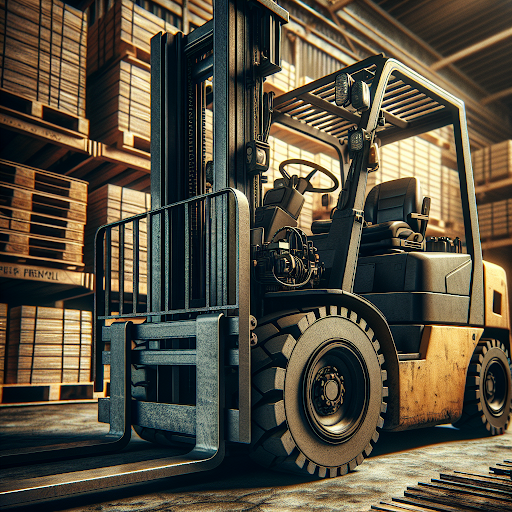
A diesel forklift truck is a heavy-duty material handling machine powered by a diesel engine. It is designed to lift, move, and transport heavy loads efficiently, even in challenging environments. Unlike electric forklifts that need battery charging or LPG forklifts that rely on gas, diesel forklifts run on widely available diesel fuel, making them a practical option for industries that prioritize uptime and productivity.
Also referred to as diesel-operated forklifts or diesel fork trucks, these machines are particularly popular in construction, logistics, shipping yards, warehouses with outdoor operations, and manufacturing units.
Key Advantages of Diesel Forklifts
1. Superior Power and Performance
Diesel forklifts are known for their high torque output, which allows them to handle steep gradients, rough terrain, and demanding tasks with ease. For industries that deal with heavy loads daily, this level of power is unmatched.
For example, a diesel engine forklift can comfortably operate in outdoor yards, gravel paths, or uneven construction sites where electric models might struggle.
2. High Weight Capacity for Heavy Lifting
One of the most important reasons businesses choose new diesel forklifts is their high load capacity. Diesel forklifts can lift significantly heavier loads compared to most electric or LPG options.
This makes them the go-to choice for industries such as:
- Construction – moving cement bags, pipes, and steel beams.
- Mining – transporting raw materials and equipment.
- Shipping & Logistics – handling large containers and pallets.
3. Durability and Longevity
A well-maintained diesel forklift truck is built to last. These machines have robust frames and engines designed for heavy industrial use. Compared to electric forklifts, which may require expensive battery replacements, diesel forklifts generally offer longer lifespans and are easier to repair.
This durability translates into lower long-term operating costs and a better return on investment.
4. Cost-Effectiveness and Resale Value
While the initial purchase price of a diesel-powered forklift may be higher, the overall cost of ownership is often lower. Diesel engines are relatively simple to maintain, spare parts are widely available, and repairs are usually less complex than electric systems.
Additionally, diesel forklifts tend to retain a higher resale value in the second-hand market due to their long life expectancy. Businesses often find it easier to resell a diesel model compared to an older electric forklift.
5. Reliability in Outdoor and Harsh Environments
A major advantage of diesel-operated forklifts is their ability to work efficiently in outdoor conditions. Unlike electric forklifts that may lose efficiency in cold or wet climates, diesel models remain reliable in diverse weather conditions.
They are especially effective in:
- Open construction sites
- Mining zones
- Shipping docks
- Outdoor storage yards
6. Continuous Operation with Minimal Downtime
Since diesel forklifts do not rely on battery charging, they can run for longer hours with minimal breaks—simply refuel, and they’re ready to go. This makes them ideal for businesses where downtime directly impacts productivity.
Diesel Forklifts and Environmental Considerations
Traditionally, diesel forklifts were linked with higher emissions. However, modern diesel forklifts now comply with strict emission standards and often come equipped with eco-friendly technologies such as:
- Particulate filters to reduce harmful emissions
- Fuel efficiency enhancements to lower diesel consumption
- Advanced exhaust systems for cleaner operation
For businesses conscious about their carbon footprint, choosing a new diesel forklift with upgraded emission control features is a smart investment.
Buying vs. Hiring Diesel Forklifts
When considering diesel forklifts for your business, you have multiple options:
Buying a Diesel Forklift
Investing in a new diesel forklift makes sense if your operations require consistent heavy lifting and long-term usage. Considerations include:
- Initial cost
- Maintenance and servicing availability
- Long-term operational expenses
For businesses ready to commit, buying ensures complete ownership and higher resale opportunities later.
Used Diesel Forklift Trucks
A used diesel forklift truck can be a cost-effective option for smaller businesses or those on a tight budget. If maintained well, a used diesel model can deliver the same strength and performance as a new one. Always check service records, engine condition, and overall wear before purchasing.
Diesel Forklift Hire or Lease
If your business has seasonal peaks or short-term projects, diesel forklift hire can be the most flexible choice. Renting allows businesses to avoid high upfront costs while still benefiting from powerful equipment. Leasing also provides an opportunity to test whether a diesel forklift is the right fit before making a purchase decision.
Conclusion: Is a Diesel Forklift Right for Your Business?
Choosing the right forklift is not just about cost—it’s about efficiency, reliability, and long-term performance. A diesel-powered forklift offers unmatched strength, durability, and adaptability across industries, making it a reliable partner for heavy-duty tasks.
Whether you plan to buy a diesel forklift, rent one, or explore new diesel forklifts with eco-friendly technology, considering your business’s operational environment and workload will help you make the best decision.
For industries where power, resilience, and continuous operation are priorities, a diesel forklift remains one of the most valuable investments in material handling.