Selecting the appropriate forklift is essential to optimise efficiency and safety in material handling. This guide explains how to evaluate requirements, compare forklift categories and features, and weigh financial factors to decide whether to purchase or rent.
Understand Your Operational Requirements
Determine the materials you handle, required load capacities, and the intended operating environment; each factor affects which forklift type will deliver reliable performance.
- Nature of Materials Handled: Different materials require specific handling techniques; fragile items need gentler handling, while heavy loads require robust machines.
- Load Capacity Requirements: Assess maximum weights and choose a capacity that ensures safety and efficient operation.
- Operating Environment Considerations: Indoor, outdoor, or rough terrain needs will influence the model and attachments you select.
Types of Forklifts
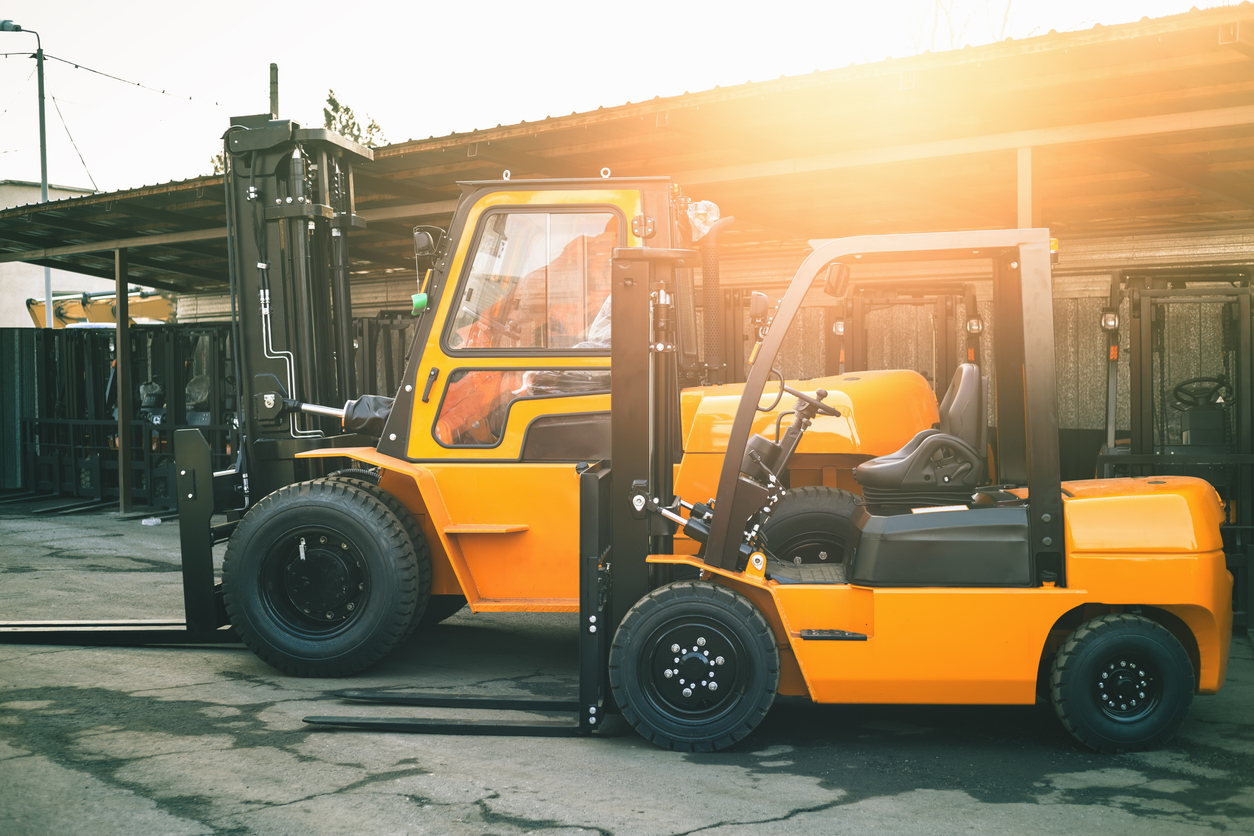
Recognising main forklift categories helps match equipment to application and site constraints.
- Electric Forklifts: Best for indoor work, quiet, zero local emissions, and suited to warehouses and retail.
- Diesel Forklifts: Powerful units for outdoor use and rough terrain, with high load capability.
- LPG Forklifts: Flexible for indoor or outdoor use, balancing power and emissions.
Dealer Selection
Choose a reputable dealer and evaluate them against clear, business‑focused criteria.
- Reputation and Reliability: Verify market reputation and after‑sales support.
- Equipment Variety: Ensure the dealer offers a range of suitable models and attachments.
- Customer Support: Confirm availability of parts, service, and technical help.
Active Forklift provides sales, hire, and maintenance services across Australia and offers options to meet diverse business needs.
Financial Considerations
Financial factors affect the rent-versus-buy decision; assess total lifecycle costs, budgeting, and risk allocation.
- Total Cost of Ownership: Include purchase price, maintenance, and depreciation when comparing options.
- Insurance Coverage: Confirm adequate coverage for damage and liability.
- Budgeting for Maintenance: Factor routine and unexpected service into operating budgets.
Maintenance and Training
Routine maintenance and certified operator training are essential to extend equipment life and maintain safe operations.
- Regular Maintenance Schedules: Set a schedule to keep forklifts in optimal condition.
- Operator Training Requirements: Ensure operators are trained and assessed for competence.
- Safety Protocols: Implement procedures to reduce operational risk.
Checklist for Selection
Use this checklist to confirm essential criteria are covered before procurement.
- Evaluate load capacity
- Assess the working environment
- Review safety features
What Are the Key Forklift Types and Their Business Applications?
Typical business uses vary by type; select machinery that matches task, site, and load profiles.
- Rough Terrain Forklifts: Suited to outdoor construction and uneven surfaces.
- Telehandlers lift to height and extend reach for construction and agricultural tasks.
- Electric Forklifts: Best for indoor warehousing where emissions and noise matter.
How Do Electric, Diesel, and LPG Forklifts Compare for Different Operational Environments?
Each fuel type has strengths: electric for indoor low‑emission sites, diesel for heavy outdoor work, and LPG for flexible indoor/outdoor use.
- Electric Forklifts: Low emissions and quiet operation for indoor environments.
- Diesel Forklifts: High power for rugged outdoor conditions.
- LPG Forklifts: Versatile option balancing power and emissions.
Which Forklift Types Are Best Suited for Warehouses and Indoor Use?
For warehouses, electric forklifts and reach trucks usually offer the best manoeuvrability and aisle performance; review specific models from Active Forklift’s offerings.
What Factors Should Businesses Consider When Choosing to Rent or Purchase a Forklift?
Analyse cost implications, expected usage, and who will manage maintenance and repairs when deciding to rent or buy.
- Cost Considerations: Compare upfront and ongoing costs across options.
- Usage Requirements: Match availability to your operational hours and demand.
- Maintenance Responsibilities: Clarify which party handles servicing and parts.
What Are the Advantages and Disadvantages of Forklift Rental Versus Purchase?
Renting offers short‑term flexibility and lower upfront spend; purchasing gives long‑term control and potential cost benefits if utilisation is high.
- Financial Flexibility: Renting reduces initial capital outlay.
- Control and Customisation: Ownership allows modifications; rentals may limit changes.
- Long-term Cost Implications: Evaluate total cost, including maintenance and depreciation.
How Do Cost, Flexibility, and Maintenance Impact the Rental vs Purchase Decision?
Consider expected usage, maintenance burden, and capital availability: renting shifts maintenance responsibility and offers flexibility, while buying may be more economical over time if utilisation is steady. For details on forklift rental, Active Forklift provides comprehensive services to support uptime.
What Are The Essential Forklift Maintenance Best Practices to Ensure Operational Efficiency?
Implement routine checks, follow manufacturer service intervals, and keep accurate maintenance records to avoid unplanned downtime.
- Routine Checks: Conduct daily inspections for visible faults.
- Servicing Schedules: Follow recommended servicing intervals.
- Documentation: Record maintenance and repairs for accountability.
How Often Should Forklifts Be Serviced and What Does Maintenance Include?
Service intervals commonly occur every 200–300 operating hours. Standard maintenance covers inspections, fluid and tyre checks, and periodic servicing.
- Daily inspections for safety and functionality
- Weekly checks for fluid levels and tyre condition
- Monthly servicing for more in‑depth evaluations
What Are the Benefits of Comprehensive Maintenance Contracts for Businesses?
Maintenance contracts deliver predictable costs, reduce downtime, and provide access to trained technicians.
- Cost Predictability: Fixed maintenance costs aid budgeting.
- Reduced Downtime: Regular service prevents unexpected failures.
- Access to Expertise Trained technicians ensure correct servicing.
What Are Critical Forklift Safety Guidelines and Operator Training Requirements?
Safety should guide every operation: require pre‑use checks, enforce safe operating practices, and ensure operators are certified.
- Pre-operational Checks: Operators must inspect equipment before use.
- Safe Operating Practices: Enforce protocols to minimise incidents.
- Training Requirements: Maintain certification and refresher training.
Which Safety Standards Must Businesses Follow for Forklift Operation?
Comply with workplace health and safety laws and industry standards for powered industrial trucks, and keep records of training and inspections.
- WHS Laws: Follow applicable workplace safety regulations.
- AS 2359.1 Compliance: Adhere to Australian standards for powered industrial trucks.
- Documentation Requirements: Keep training and inspection records.
Conclusion
Choosing the right forklift improves operational efficiency and safety. Define your requirements, compare types and key features, and evaluate the financial and maintenance implications to make a well‑informed procurement decision. Visit Active Forklift to explore suitable options for your organisation.